What Types Of Termite Treatments Are Right For Your Property
Termites cause serious structural damage long before most property owners realise there’s a problem. In areas like Toowoomba, where conditions support termite activity throughout the year, choosing the right treatment isn’t just important, it’s essential.
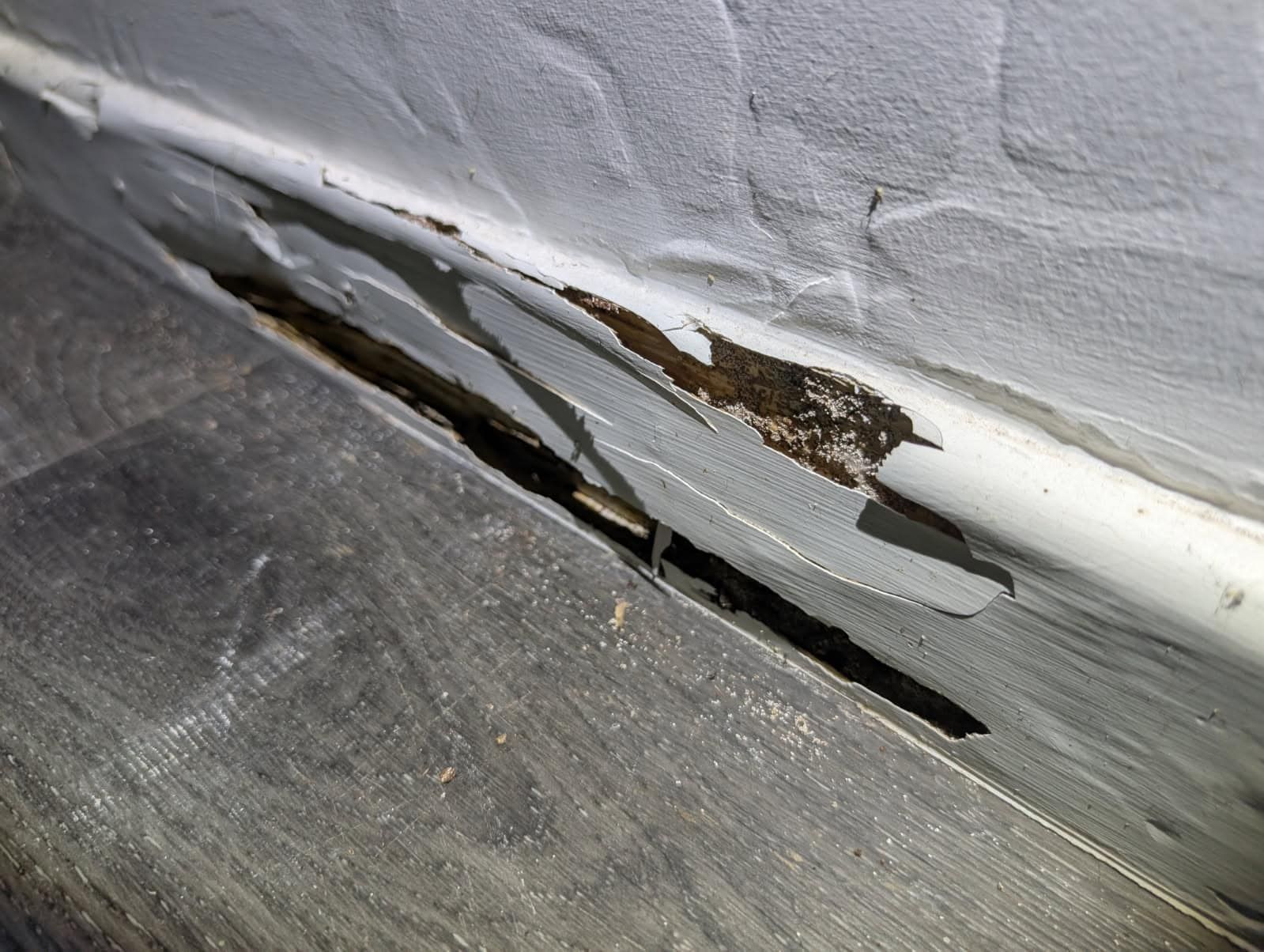
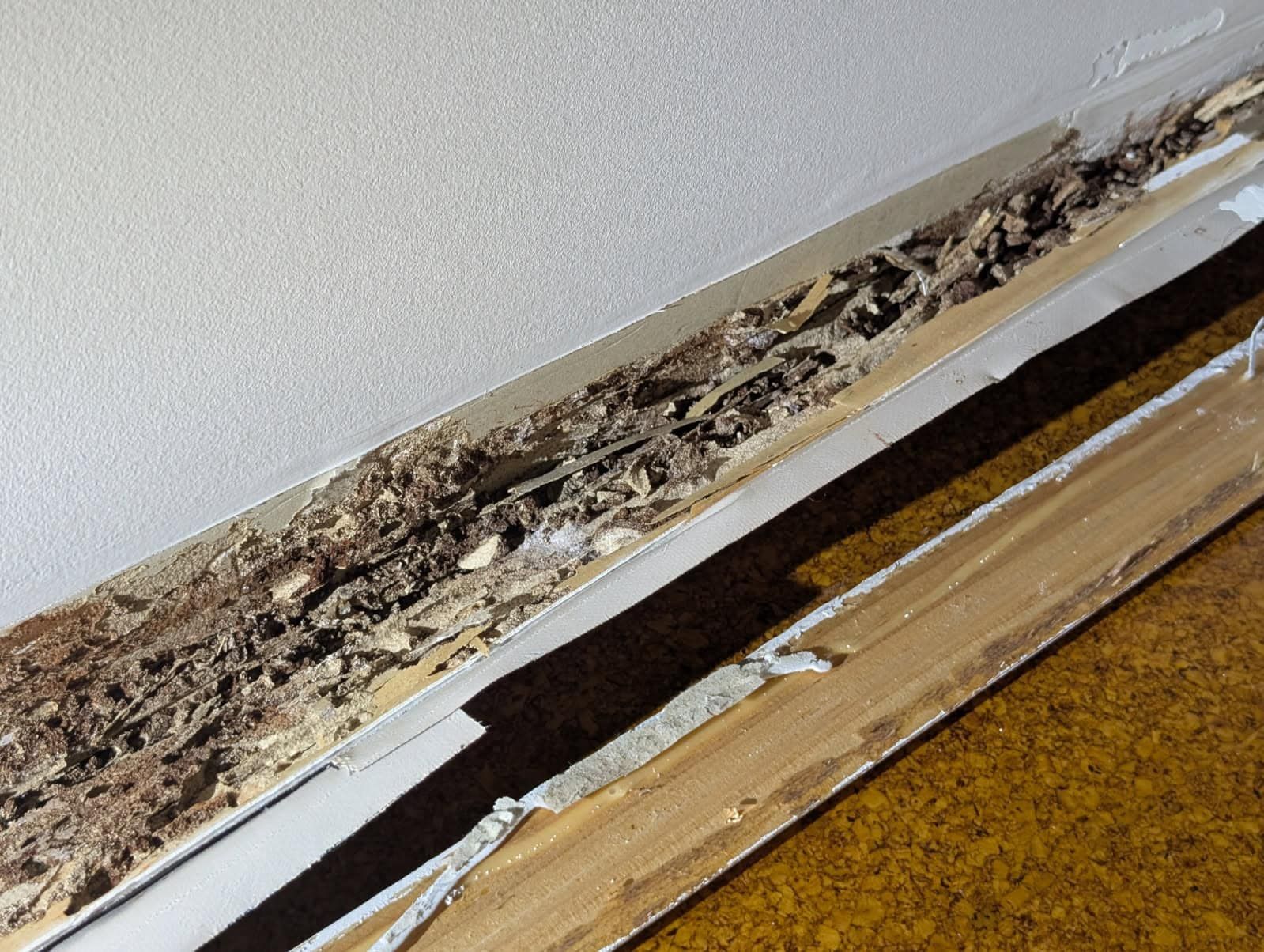
Unlike other pests, termites work quietly and consistently behind walls, under flooring and inside structural timber. They don’t create obvious surface damage in the early stages. By the time visible signs appear, repairs can be extensive and costly.
Homeowners, landlords and commercial property managers all face risk when termite protection isn’t properly considered. Not every property requires the same solution. The right treatment depends on construction type, environmental conditions, surrounding landscaping and whether termites are already active or you’re aiming to prevent future infestations.
If you’re considering
termite control in Toowoomba, understanding how each treatment works will help you make a confident and informed decision.
Understanding Termite Activity in Toowoomba
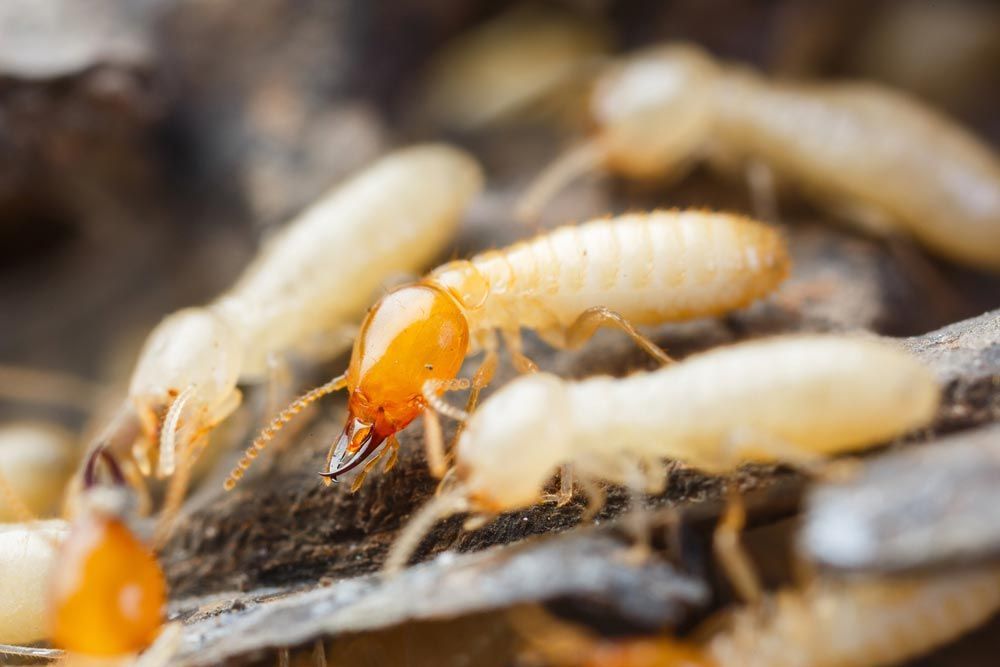
Toowoomba’s climate creates favourable conditions for subterranean termites, the most common and destructive species in the region. These termites live underground in large colonies and rely on moisture in the soil to survive.
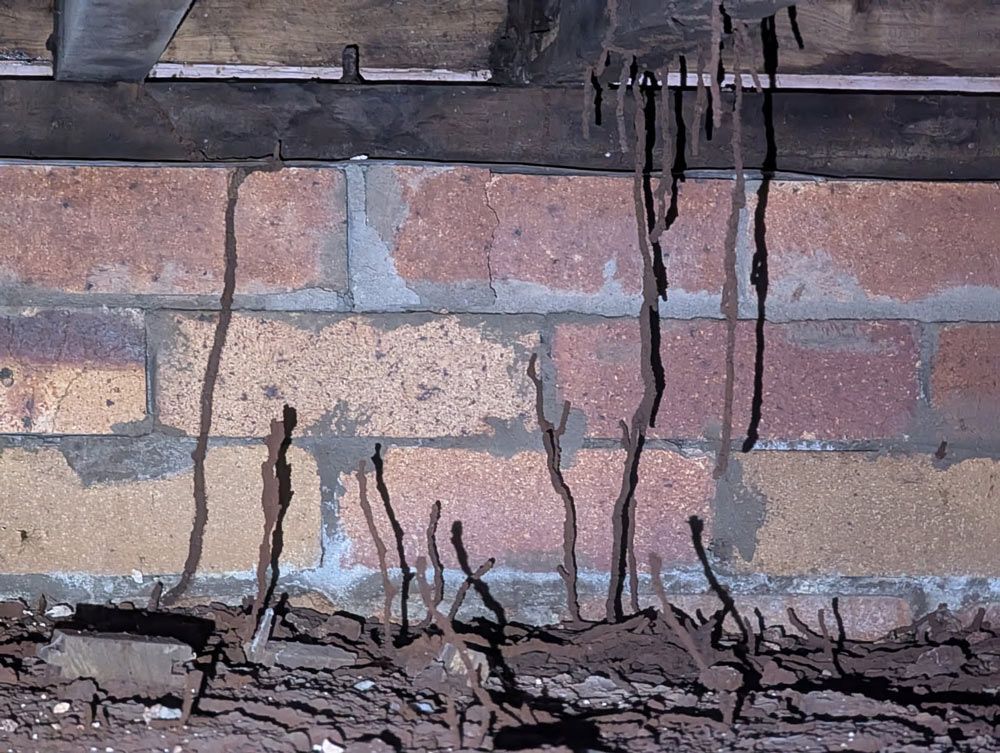
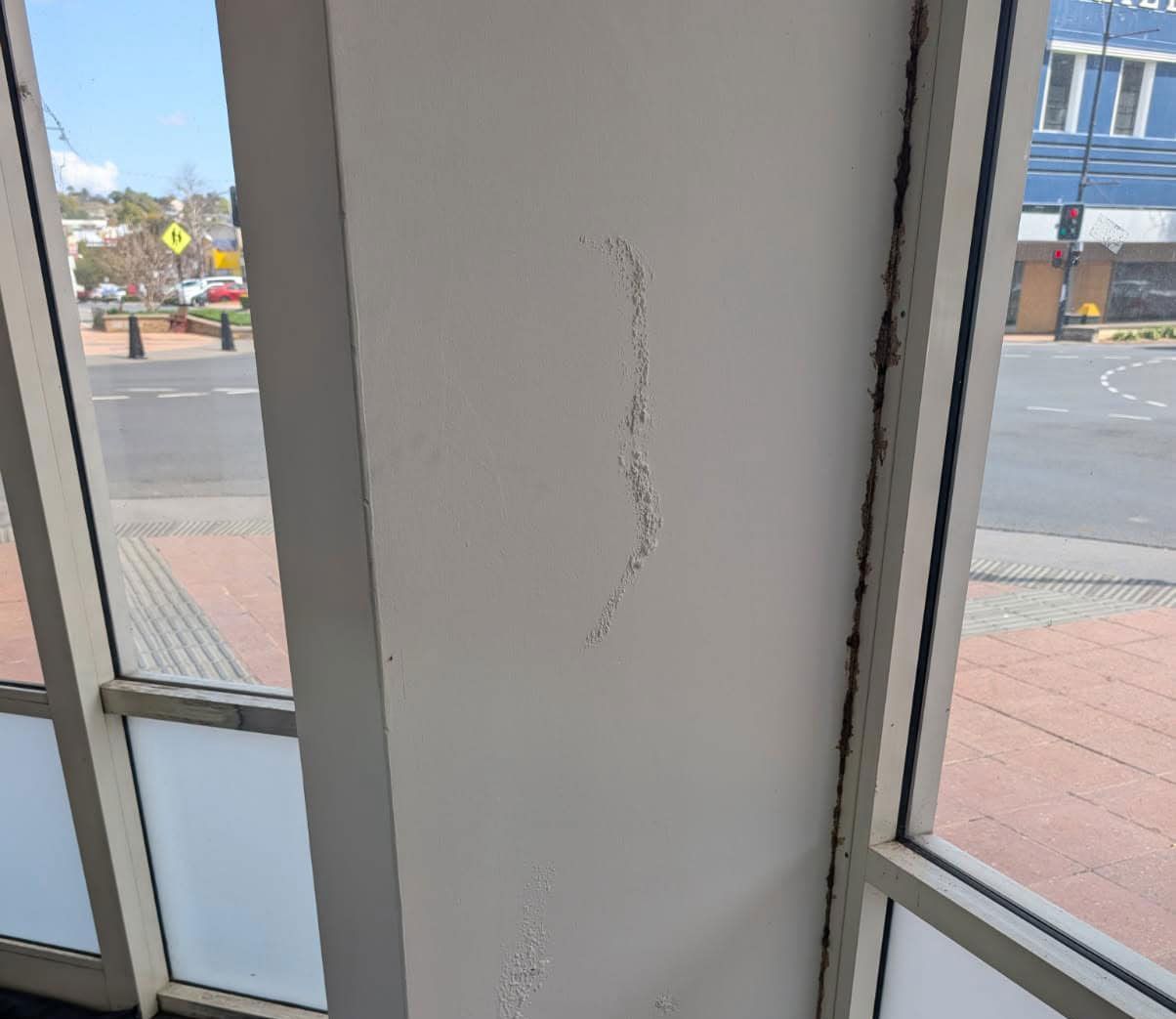
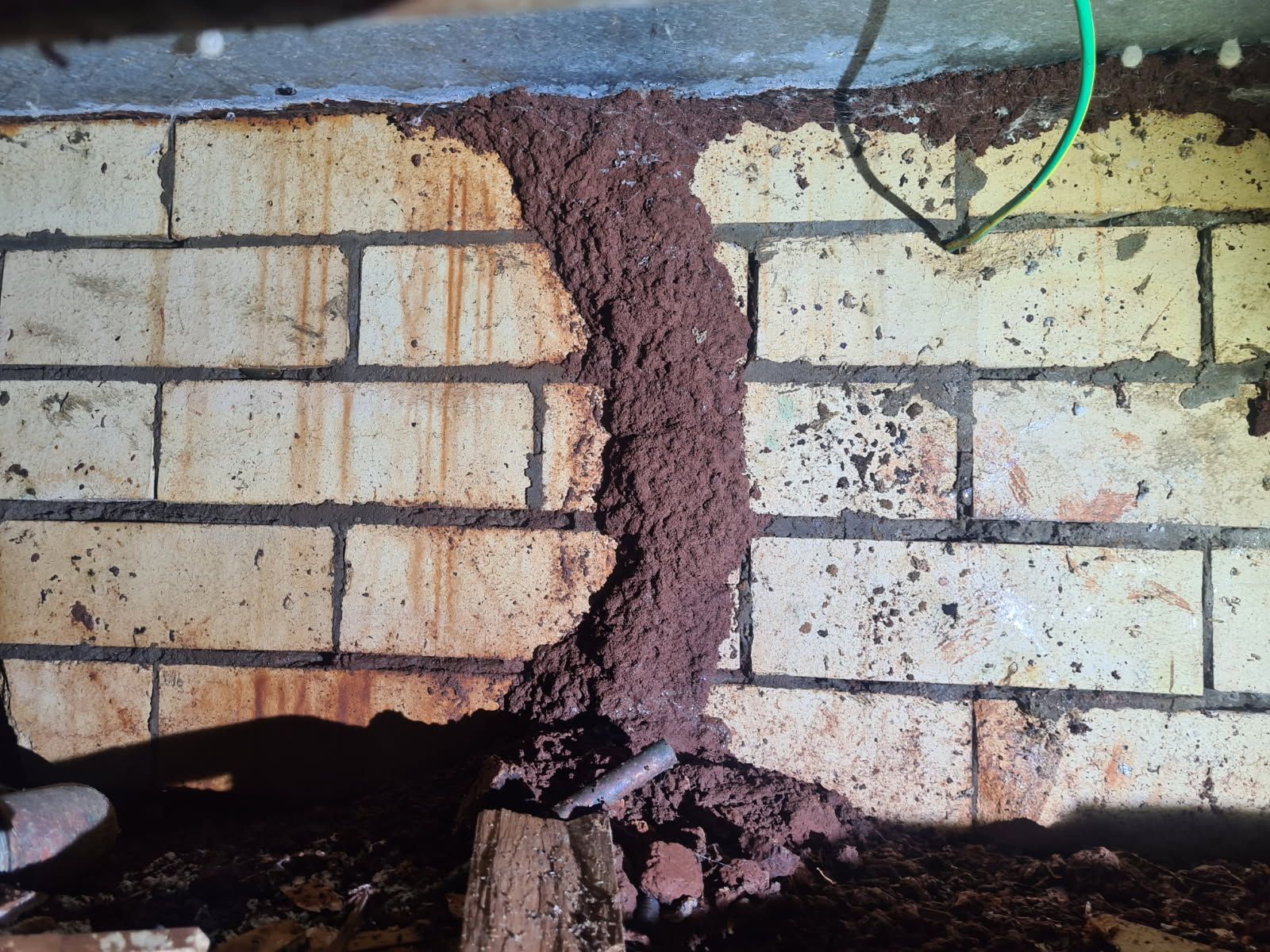
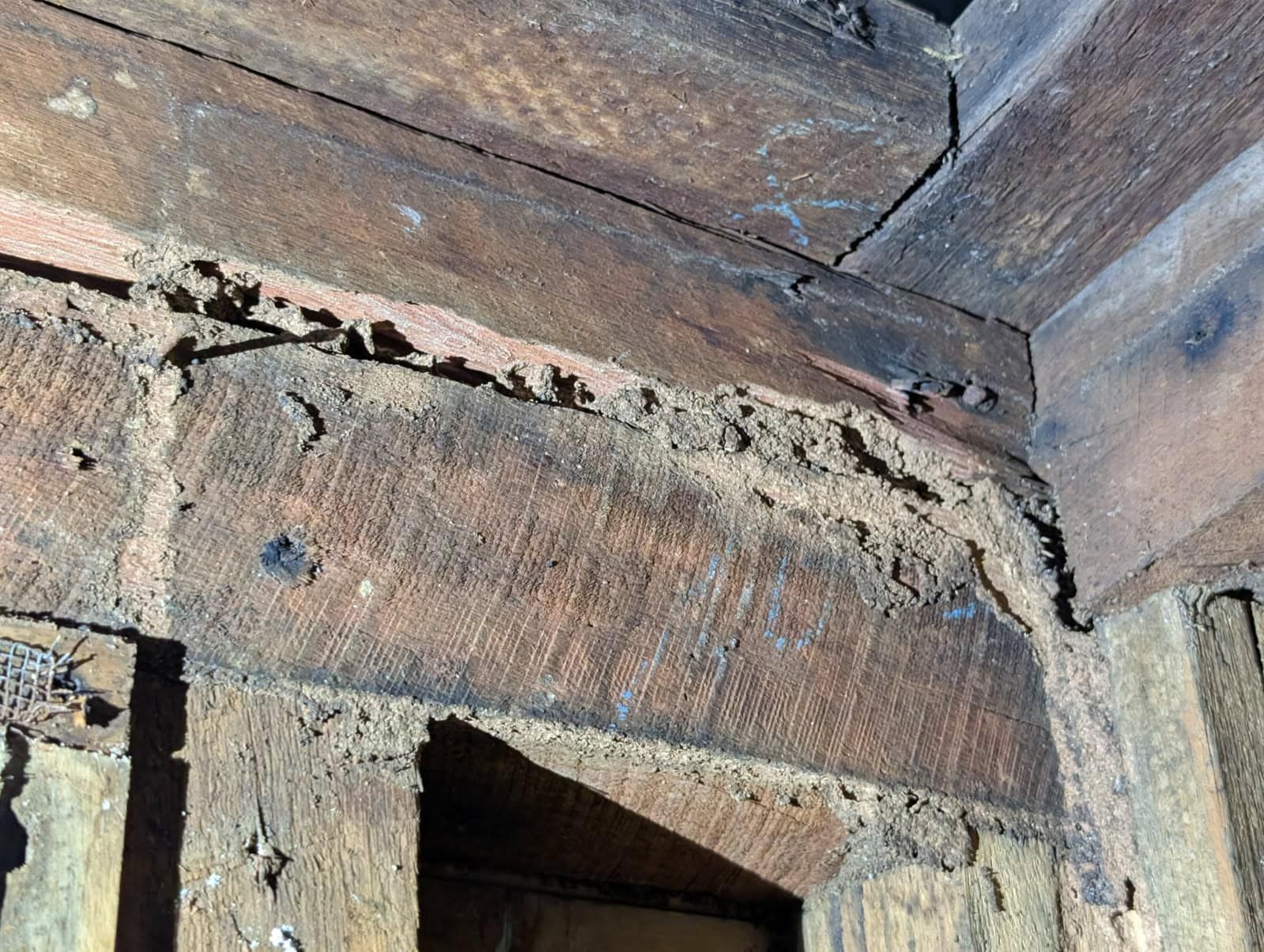
They build mud tunnels to travel between their nest and timber food sources. These tunnels protect them from light and dehydration while allowing them to move undetected. Termites can enter buildings through cracks in concrete slabs, around plumbing penetrations, expansion joints, weep holes and concealed construction gaps.
Even well-maintained properties can be at risk. Moist soil, garden beds positioned against exterior walls, leaking taps and poor drainage all increase termite activity around a structure.
Early detection relies heavily on
professional inspections, as termites rarely expose themselves in visible areas. Effective termite control in Toowoomba focuses on eliminating active colonies while also identifying and reducing long-term risk factors.
Chemical Termite Treatments
Chemical treatments remain one of the most widely used and reliable options for protecting existing
homes and
commercial buildings. These treatments use professional-grade termiticides to either repel or eliminate termites.
Soil Chemical Barriers
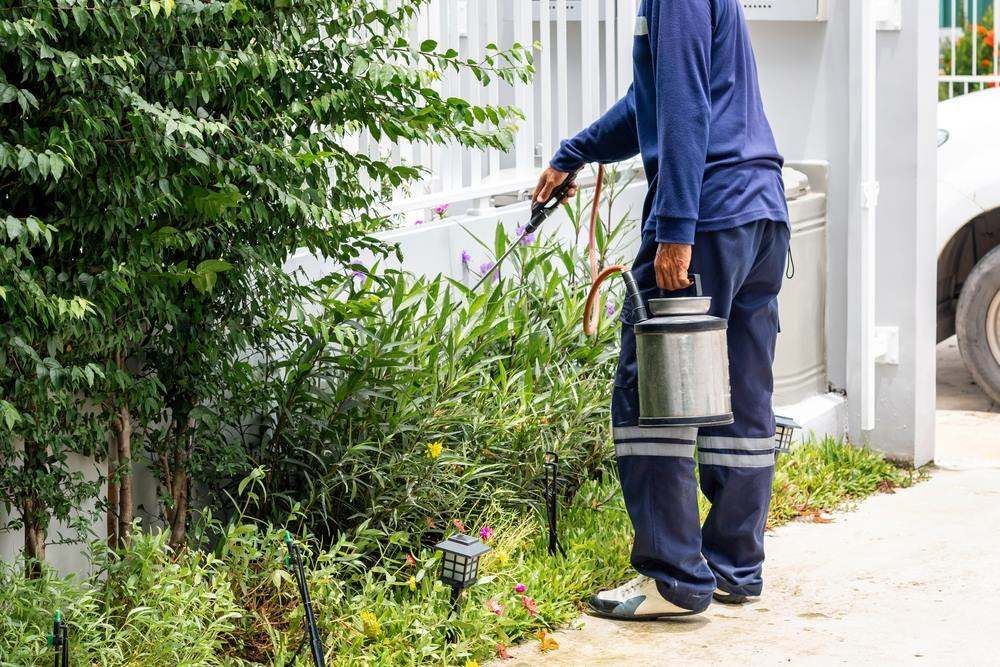
A soil barrier involves applying liquid termiticide around and beneath a structure to create a continuous treated zone. Termites attempting to pass through this zone are affected before they can reach the building.
When installed correctly, a chemical barrier:
- Protects the entire perimeter of the structure
- Reduces the likelihood of concealed entry
- Provides long-term structural defence
- Targets termites attempting to access the property
Soil treatments are particularly effective for established homes that don’t have pre-installed physical barriers. Professional installation is critical, as gaps or uneven application can reduce effectiveness. Regular inspections help confirm the barrier remains intact over time.
Direct Chemical Applications
If termites are actively attacking structural timber, targeted chemical treatments can be applied directly to affected areas. This approach helps eliminate current activity quickly and limits further structural damage.
Direct applications are commonly combined with broader perimeter protection to reduce the risk of reinfestation and provide ongoing security.
Physical Termite Barriers
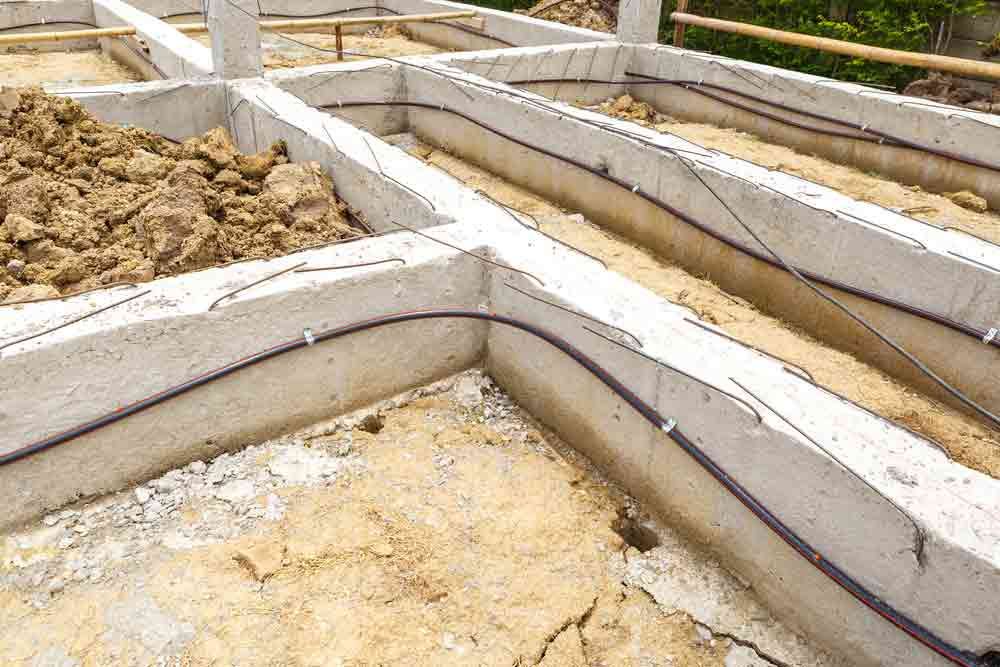
Physical barriers provide a non-chemical method of termite protection. Rather than eliminating termites, they prevent concealed entry into the building.
Common physical barrier systems include:
- Stainless steel mesh installed around slab penetrations
- Graded stone barriers that termites cannot move through
- Termite-resistant membranes placed beneath slabs
Builders typically install these systems during construction or major renovations. When correctly fitted, they force termites to build visible access points, making detection easier during routine inspections.
Physical barriers are durable and long-lasting. They perform best when incorporated into a broader termite management strategy rather than relied on as a single line of defence.
Termite Baiting Systems
Baiting systems offer a different approach by targeting the termite colony itself instead of forming a physical or chemical barrier.
How Baiting Systems Work
Technicians install bait stations in the soil surrounding your property and inspect them regularly. Once termite activity is detected, a specialised growth-regulating bait is introduced.
Termites consume the bait and carry it back to the colony. Over time, this disrupts the colony’s development and can significantly reduce or eliminate its population.
Baiting systems are often recommended for:
- Properties where soil treatments aren’t practical
- Environmentally sensitive locations
- Buildings with complex construction layouts
- Ongoing monitoring programs
Unlike chemical barriers, baiting systems require continuous professional servicing to remain effective.
Comparing Chemical, Physical & Baiting Treatments
Each termite treatment method offers different advantages.
Chemical barriers create an immediate protective zone around the structure.
Physical barriers prevent hidden access points and provide durable long-term defence.
Baiting systems focus on eliminating the colony and supporting ongoing monitoring.
The right approach depends on your property’s age, design and environmental conditions. In many situations, combining treatment methods delivers stronger and more reliable protection than relying on a single solution.
What Should You Consider Before Choosing a Treatment?
Selecting a termite treatment requires more than comparing prices. Long-term structural protection and risk reduction should guide the decision.
Property Construction
Slab-on-ground homes, raised foundations, extensions and timber features all influence termite risk. Structural design determines where termites are most likely to gain entry.
Active Infestation or Preventative Protection
Active infestations require immediate elimination to limit damage. Preventative treatments focus on reducing future risk before termites establish a colony within the structure.
Surrounding Environment
Dense vegetation, timber retaining walls, stored firewood and poor drainage increase termite pressure around a property. Local conditions must always be considered before recommending a treatment plan.
Maintenance Requirements
Some systems require annual inspections, monitoring or replenishment. Understanding these responsibilities helps ensure protection remains consistent over time.
The Importance of Regular Inspections
Even the most effective treatment requires monitoring. Annual termite inspections allow professionals to detect early signs of activity and confirm protective systems remain intact.
Routine inspections can identify:
- Early termite movement
- Breaches in barriers
- Environmental changes increasing risk
- Structural vulnerabilities
Consistent inspections play a critical role in maintaining reliable termite control in Toowoomba, particularly in high-risk areas.
Why Professional Termite Control in Toowoomba Matters
Termite treatments must be installed and maintained with precision to deliver reliable results. Small gaps in a chemical barrier or poorly monitored bait stations can allow termites to bypass protection entirely.
Professional termite control in Toowoomba provides:
- Accurate identification of termite species
- Detailed assessment of structural risk
- Correct installation of treatment systems
- Ongoing monitoring and servicing
- Advice tailored to local soil and climate conditions
DIY products rarely address the full scope of termite behaviour and often provide temporary relief rather than long-term protection. Professional assessment reduces uncertainty and strengthens confidence that your property remains properly safeguarded.
At Keiran Mortimer Pest Control, we assess each property individually and recommend practical, effective solutions suited to local conditions. Whether you require active treatment or preventative protection, our focus remains on long-term results backed by experience and local knowledge.
If you’re unsure which termite treatment is right for your property,
arranging a professional inspection is the most effective first step.