
What Do Termites Actually Look Like In Toowoomba Homes?

Keiran Mortimer Pest Control • September 10, 2026

Spotted something crawling near a skirting board, or a swarm of small winged insects after last night's storm, and considering booking termite control in Toowoomba? Termites and flying ants look deceptively similar at a glance — but they're completely different insects, and only one of them can quietly cost you thousands in structural damage.

What Do Termites Look Like In Australia?

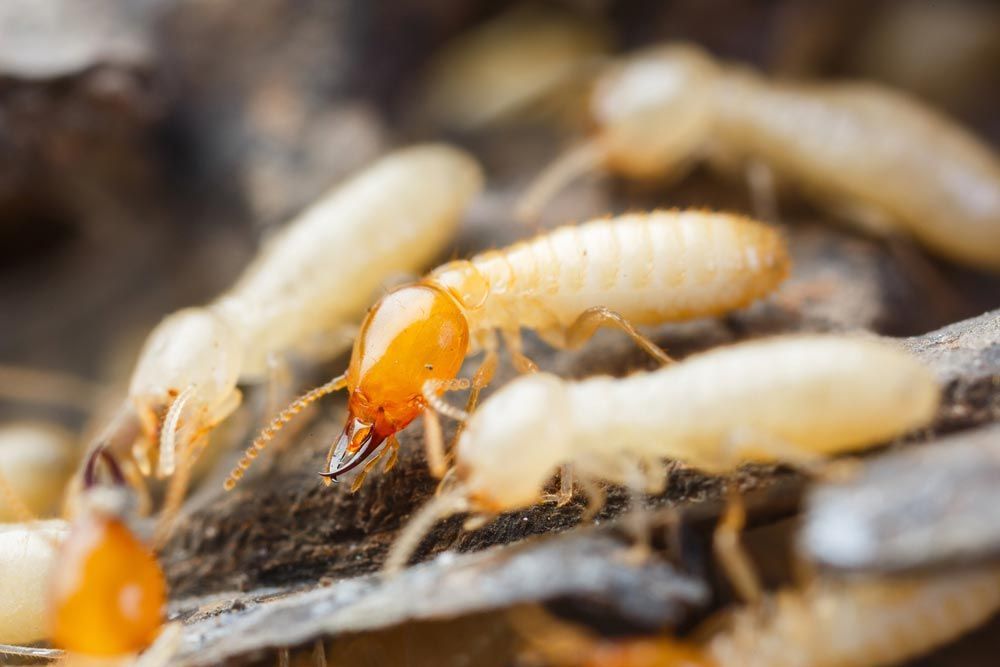
Termites have a soft, broad body with no defined waist, straight bead-like antennae, and, when winged, two pairs of wings of equal length. This is the key giveaway across every stage of a termite's life cycle — whether you're looking at a worker, a soldier, or a winged reproductive (called an alate). Workers, the termites you're most likely to spot if you disturb a nest or mud tube, are completely white or pale creamy in colour, soft-bodied and eyeless.


Soldiers look similar in body shape but have a distinctly hardened, brown head with large jaws used for defence — some soldiers even make a clicking or tapping sound when disturbed, which is worth knowing if you've ever heard a faint ticking noise near a wall cavity.

What Colour Are Termites In Australia?

Most termites in Australia are pale, creamy white, or light brown in colour — this is true for the workers that make up the bulk of a colony, and it's exactly why they're often nicknamed "white ants," despite being an entirely different insect order to actual ants.


The exception is the winged alates that swarm during warmer months. These are noticeably darker, with a brown body and compound eyes, and are considerably larger than workers — Coptotermes alates typically run around 12mm, compared to the smaller, pale workers most people never actually see, since they stay hidden within mud tubes, timber and underground galleries.

Are There Termites In Australia? Which Species Actually Matter

Yes — Australia has numerous termite species, but only a handful pose a genuine risk to homes. The most significant is Coptotermes acinaciformis, a subterranean termite responsible for more economic damage than every other Australian termite species combined, thanks to its wide range, aggressive feeding, and ability to thrive in built-up residential areas.


Here on the Darling Downs, Coptotermes species are particularly well suited to the region's clay soil, which retains moisture in a way that supports the underground colonies these termites depend on. This makes correctly identifying Coptotermes activity especially relevant for termite control in Toowoomba, rather than treating "termites" as one generic risk.

The Toowoomba-Specific Giveaway: Mud Tubes And Pale Workers

Because Coptotermes termites nest underground and travel to their food source through moisture-protected tunnels, mud tubes are one of the clearest visual signs of activity in Darling Downs homes. These narrow, raised tubes of soil and saliva run along foundations, walls, or timber piers, sheltering termites as they move between the soil and the timber they're feeding on.


If you break open a mud tube and find soft, pale, cream-coloured termites inside, that's a strong indication of Coptotermes activity specifically — the region's most destructive termite species, and one that thrives in exactly the clay soil conditions common across Toowoomba and the wider Darling Downs.

After A Summer Storm: Termite Swarm Or Flying Ants?

This is genuinely the most common point of confusion, and it happens at the worst possible time — right after a warm, humid summer storm, exactly when Coptotermes colonies release their winged alates to establish new colonies. A swarm of dark-winged insects around outdoor lights or windows on a still, humid evening is very often mistaken for flying ants, when it's actually a termite swarm event.


The reliable way to tell them apart comes down to three checks:


  • Antennae: Termites have straight, bead-like antennae. Flying ants have distinctly bent (elbowed) antennae.
  • Waist: Termites have a broad, uniform, tube-shaped body with no defined waist. Flying ants have a clearly pinched, segmented waist.
  • Wings: Termites have two pairs of wings that are equal in length. Flying ants have noticeably larger front wings compared to their rear wings.


If you find small piles of matched, equal-sized wings discarded near a windowsill or under a light after a storm, that's a strong indicator of a termite swarm, since alates shed their wings almost immediately after landing following their mating flight — and unlike flying ants, they rarely stray far or leave mismatched wing debris.

What To Do If You Think You've Spotted Termites

If you recognise these features, it's worth reading our warning signs your home may have a termite infestation guide next, since spotting a single swarm or mud tube is often just the first visible sign of a broader issue that's already established.


Whatever you do, avoid disturbing what you've found with household insecticides or by breaking open mud tubes unnecessarily — disturbing termites can cause them to retreat deeper into the structure, making professional identification and treatment considerably harder.

Get It Properly Identified

Not sure what you're looking at? Professional termite control in Toowoomba can identify the species and recommend next steps, rather than leaving you to guess based on a photo or a quick look from a distance. If you're further out toward Oakey, our termite inspections in Oakey can confirm whether what you've spotted is termite activity or something else, with the same local knowledge of Darling Downs conditions.


Once you know what to look for, read our termite prevention tips to stay ahead of the next swarm season, rather than waiting for the next storm to bring the question back around.

FAQs

  • What's the easiest way to tell a termite from a flying ant?

    Check the waist and antennae first — termites have a broad, uniform body with straight antennae, while flying ants have a pinched waist and bent (elbowed) antennae. Wing length is a secondary check: termite wings are equal length, while an ant's front wings are noticeably larger than its rear wings.

  • Why are termites called white ants in Australia?

    The nickname comes from the pale, soft-bodied appearance of termite workers, which can superficially resemble ants at a glance. Termites and ants are actually completely different insect orders, with distinct feeding and nesting behaviours.

  • Do all termite species in Australia damage homes?

    No. While Australia has numerous termite species, only a handful — particularly Coptotermes acinaciformis — pose a significant structural risk to homes, with Coptotermes responsible for the majority of economic termite damage nationally.

  • Why do termite swarms often appear after storms in Toowoomba?

    Coptotermes colonies typically release winged alates on warm, humid evenings, often triggered by rainfall or storm conditions, as part of their natural process of establishing new colonies. This timing frequently coincides with flying ant swarms, leading to confusion between the two.

  • If I find termite wings near my windows, does that mean my house has an infestation?

    Not necessarily on its own — finding matched wing piles indicates a swarm occurred nearby, but doesn't automatically confirm your specific property is infested. It's still a strong signal worth having professionally investigated rather than ignored.

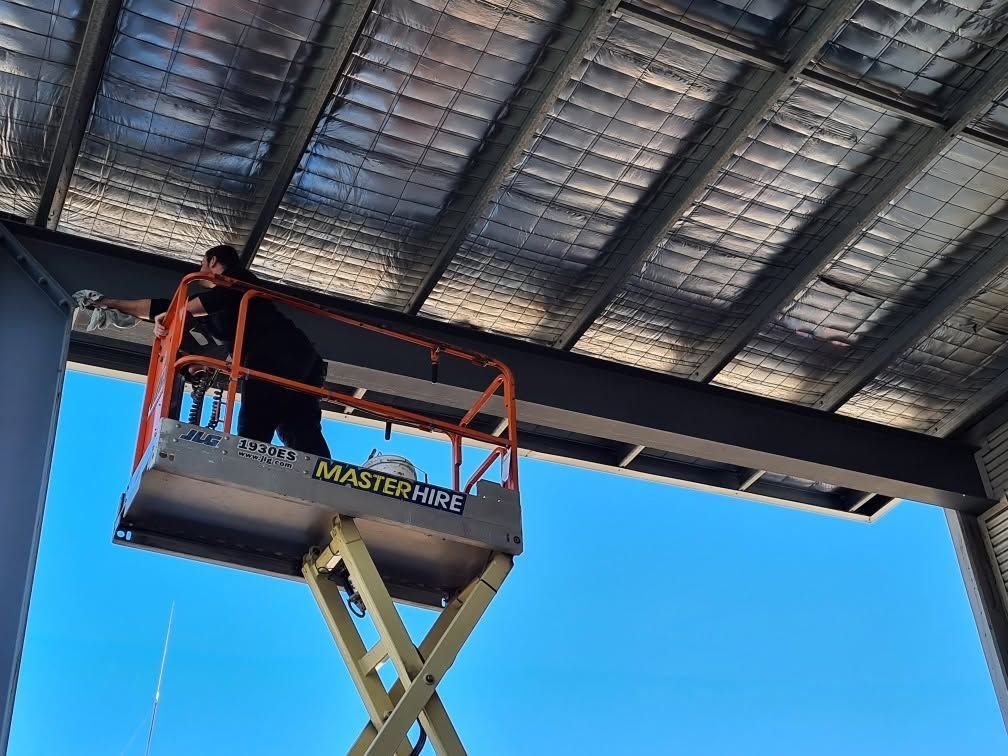
Building And Pest Inspection Of Roof Structure In Toowoomba
By Keiran Mortimer Pest Control • August 12, 2026
How long does a building and pest inspection take in Toowoomba? What affects timing, whether it's compulsory in QLD and what happens next.
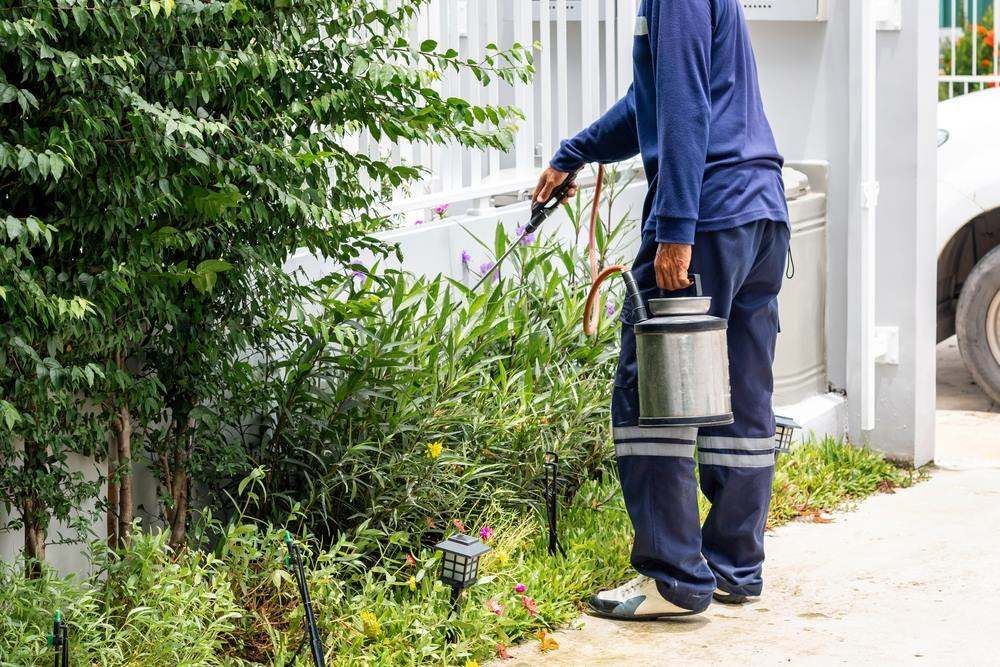
A Person in Blue Work Clothes Sprays Plants With a Metal Canister in Toowoomba
By Keiran Mortimer Pest Control • June 29, 2026
Protect your property with building and pest inspection toowoomba and Pest Control Toowoomba tips. Read our guide and save today.
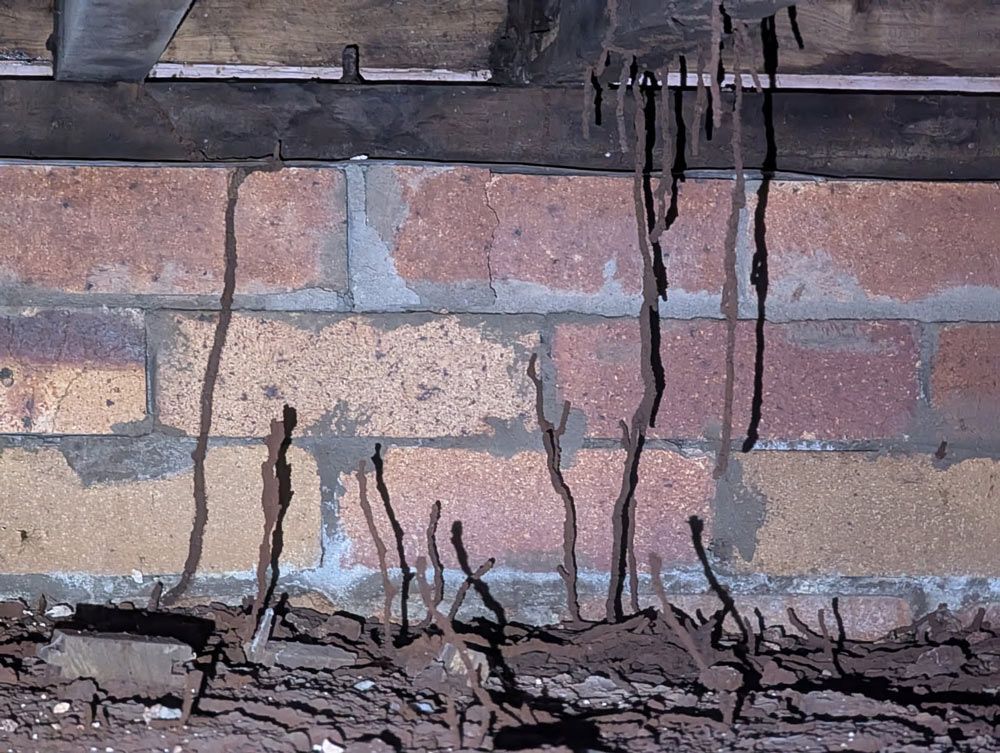
Pest Infestation on A Brick Wall
By Keiran Mortimer Pest Control • May 20, 2026
Stop repeated infestations with expert pest control in Toowoomba. Book a professional pest inspection for lasting results.
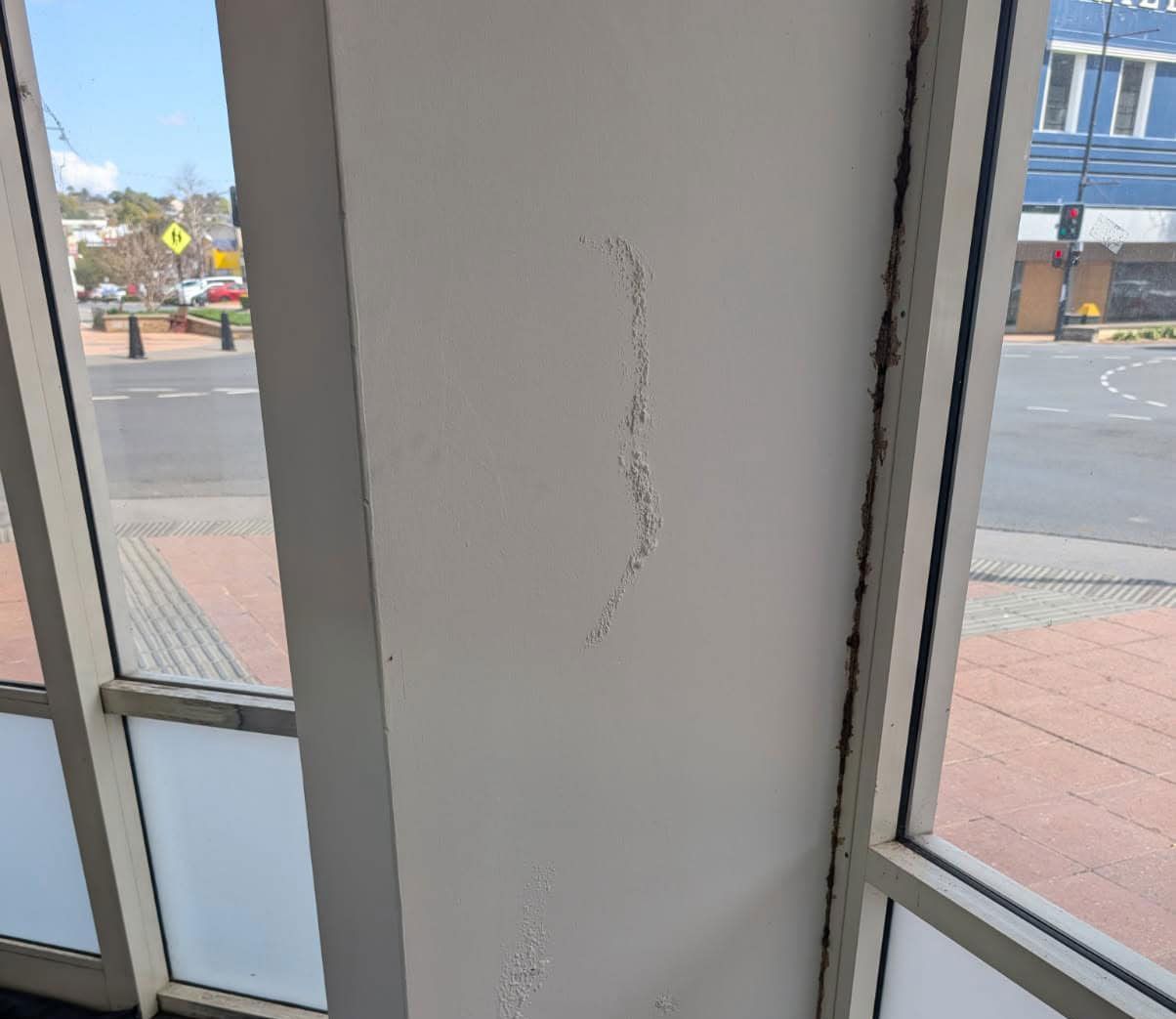
Traces Of Termites During Building And Pest Inspection In Toowoomba
By Keiran Mortimer Pest Control • April 14, 2026
Understand what a building and pest inspection in Toowoomba reveals and make better property decisions. Protect your investment and book today.
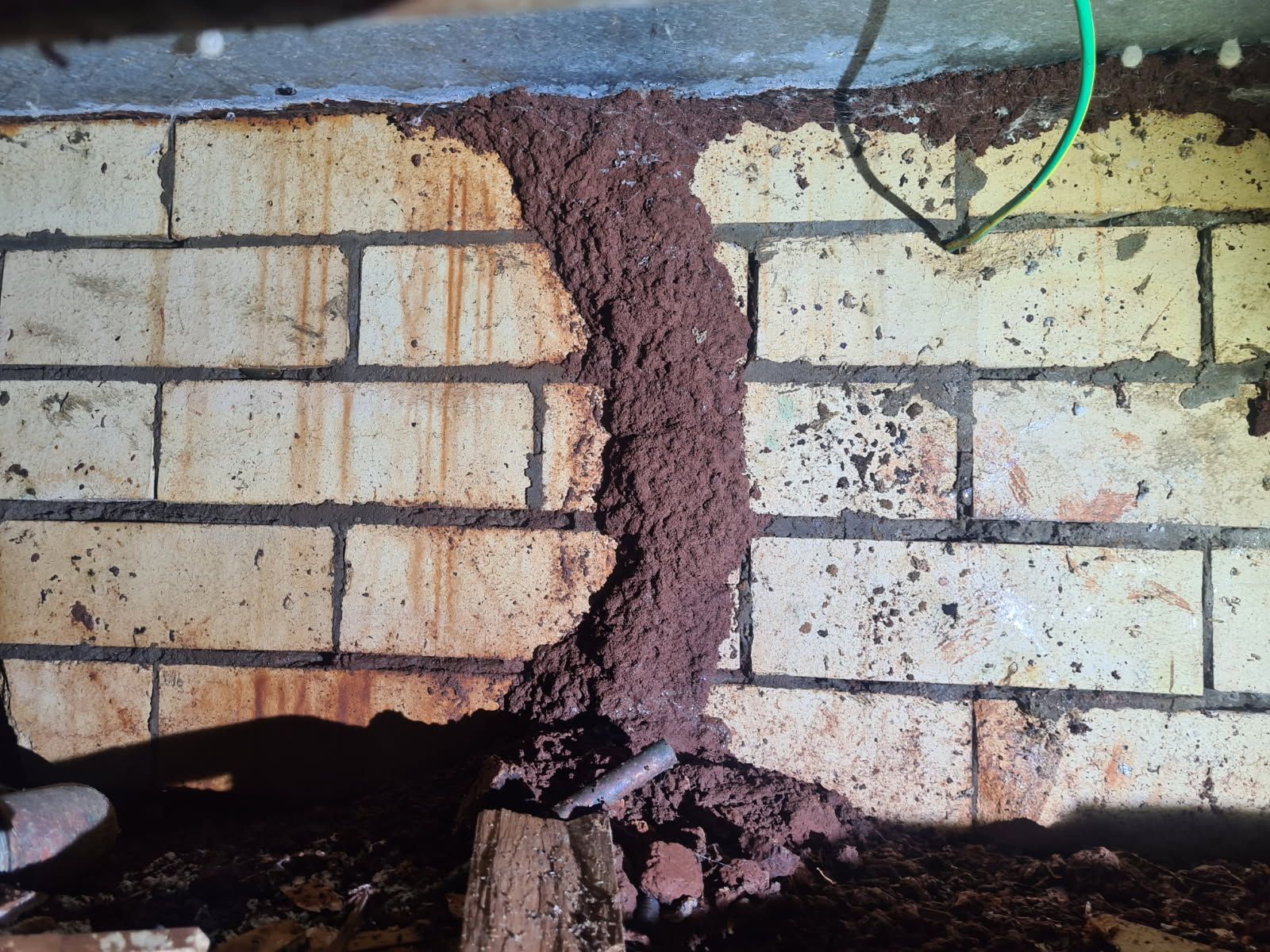
Brick wall with a vertical crack filled with reddish soil, indicating termite mud trail damage
By Keiran Mortimer Pest Control • March 20, 2026
Toowoomba homes often carry decades of character. Yet these same houses can also attract one of Australia’s most destructive pests: termites.
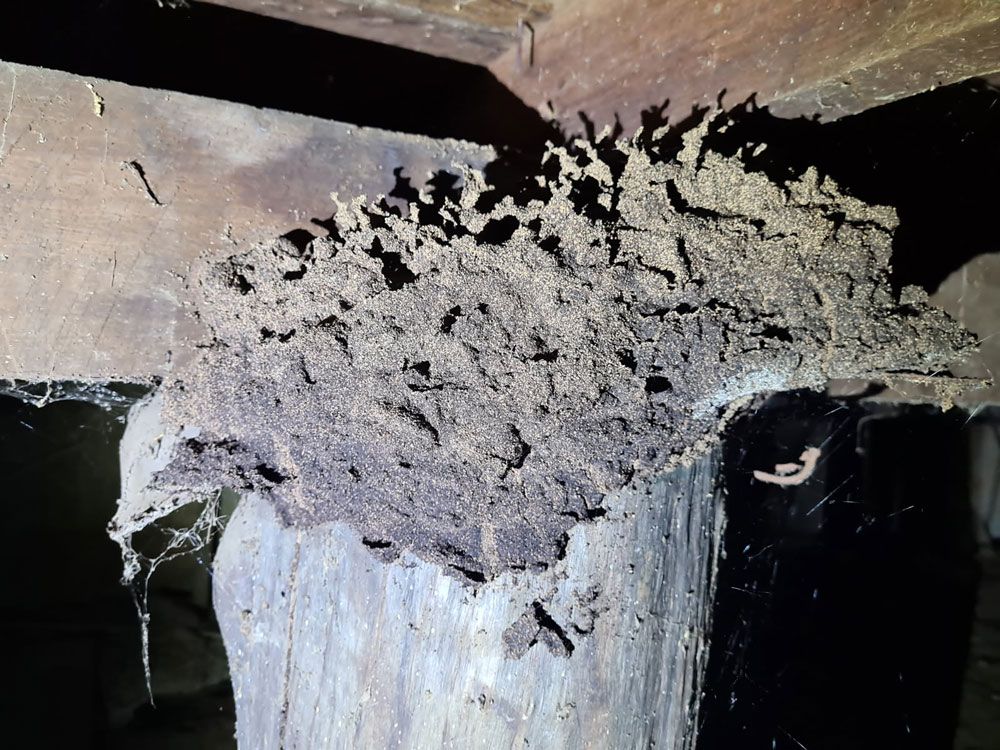
Termites Ready for Chemical Treatment
By Keiran Mortimer Pest Control • February 19, 2026
Protect your property with expert termite control in Toowoomba. Compare treatments and book a professional inspection today.
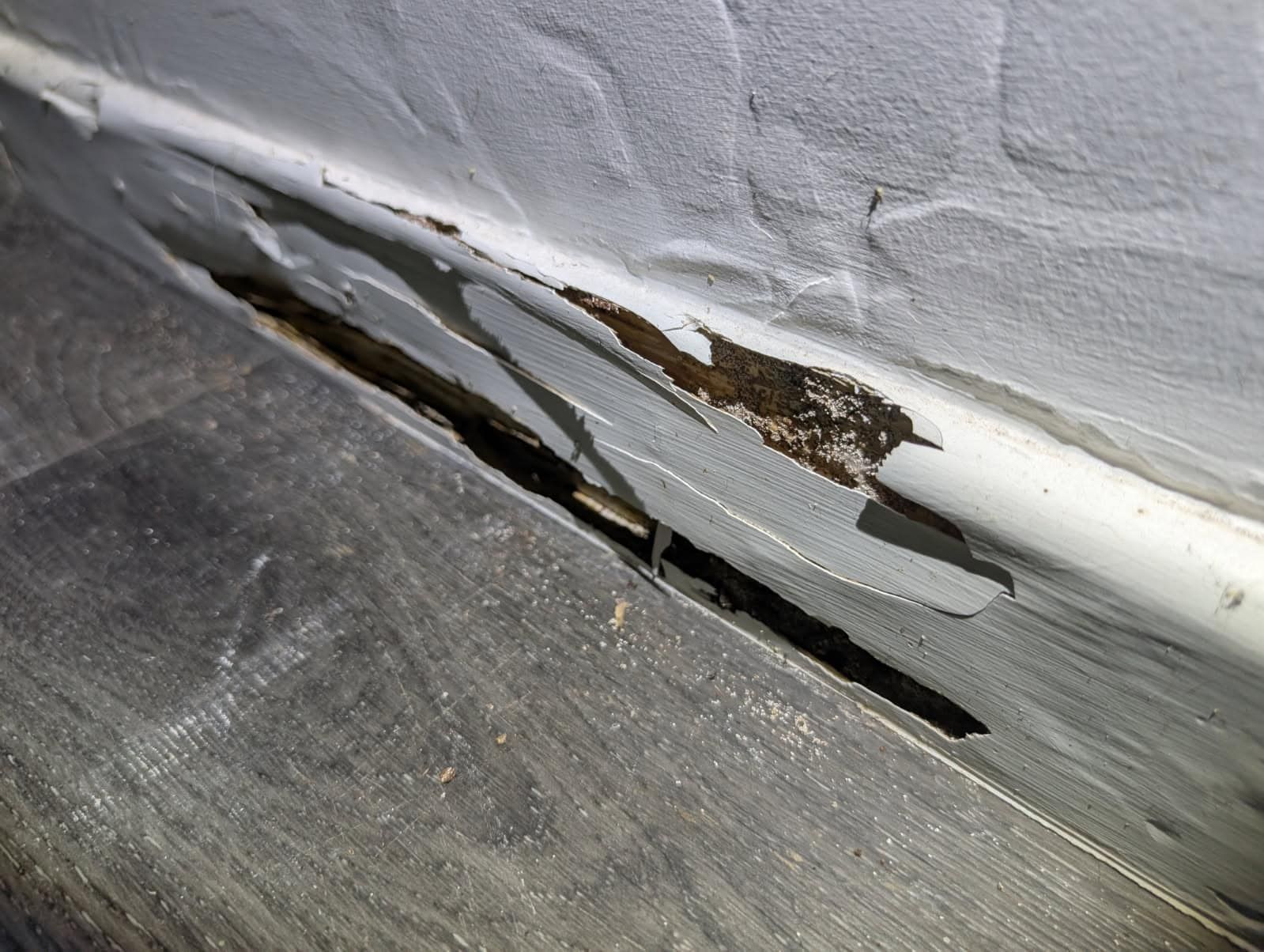
A Wooden Wall Eaten By Termites
By Keiran Mortimer Pest Control • February 12, 2026
Protect your home with pest control in Toowoomba, pest inspection to stop seasonal pests early and avoid damage. Learn what to do today.
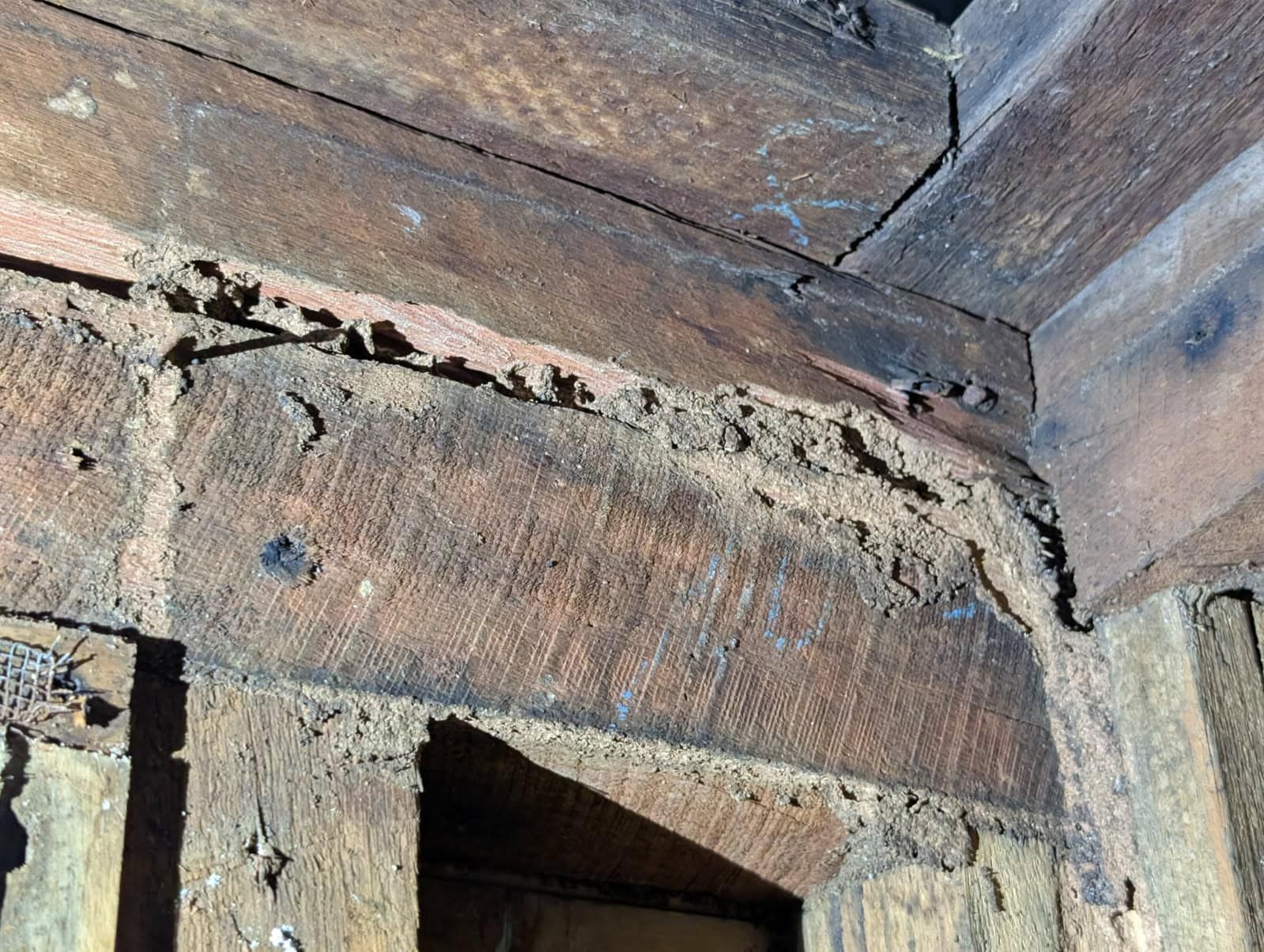
Close-up Of Termite Damage On Wooden Beams Inside A Structure.
By Keiran Mortimer Pest Control • December 10, 2025
Understand building and pest inspection value by uncovering pre-purchase termites risks in Toowoomba and take action before you commit to buy.
Close-up of termites on wood, showing their pale bodies and orange heads.
By Keiran Mortimer Pest Control • September 19, 2025
Discover the most common pests found in homes, from termites to rodents. Learn how pest control experts safely remove them to protect your property and health.
termite barriers
By Kieran Mortimer Pest Control • August 12, 2025
Keiran Mortimer Pest Control installs termite barriers in Toowoomba. Learn about chemical, physical & reticulation options to protect your home.
Show More
