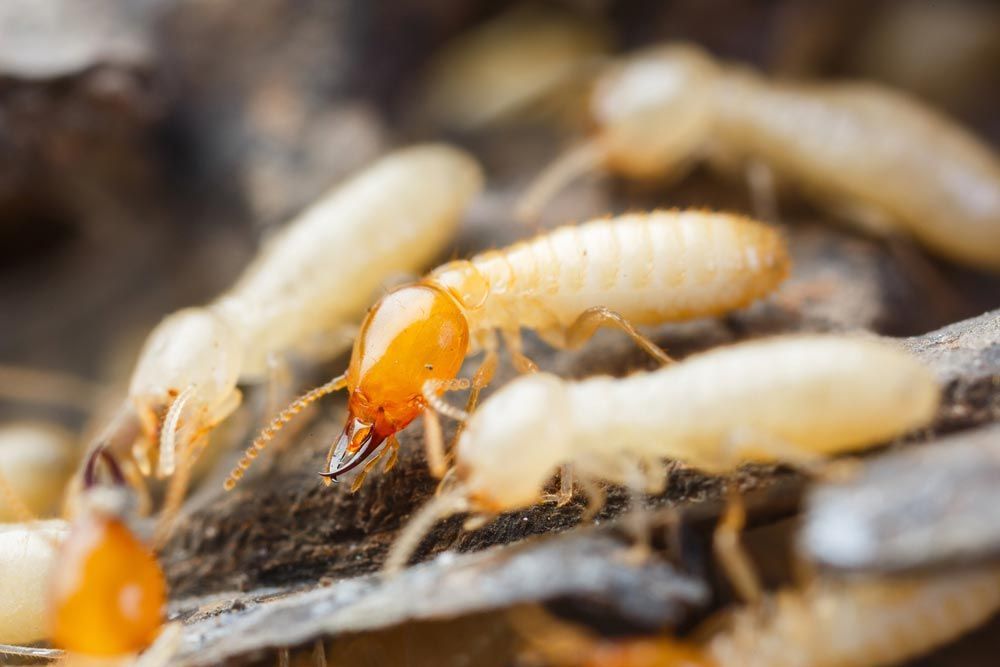
Owning property in regional Queensland comes with plenty of rewards – the wide blocks, leafy streets and homes that often carry decades of character. Yet these same conditions can also attract one of Australia’s most destructive pests:
termites. For homeowners across the Darling Downs, understanding the early signs of activity can make the difference between a minor repair and major structural damage.
Many people only begin researching termite control in Toowoomba after spotting
suspicious damage around the home. Unfortunately, by that stage termites may have already been feeding for months, and sometimes even years. Learning how to recognise the warning signs early gives homeowners, landlords and property managers the opportunity to act quickly and protect their investment.
Why Termites Thrive in Queensland Homes
The climate across Toowoomba and the surrounding Darling Downs creates ideal conditions for termites. Warm temperatures, seasonal rain and timber structures provide everything these insects need to build colonies and search for food.
Unlike ants or cockroaches, termites rarely expose themselves. They travel inside timber, underground tunnels and wall cavities where light and air remain limited. Because of this behaviour, large colonies often remain hidden until damage becomes obvious.
Homes with the following conditions tend to face higher termite risk:
- Timber structures or untreated wood
- Garden beds or mulch placed against exterior walls
- Leaking pipes or poor drainage creating damp soil
- Tree stumps or timber debris left in the yard
- Older homes with limited termite protection
Even modern homes can attract termites if barriers or inspections are neglected. Regular checks play a critical role in identifying activity before it spreads through framing, flooring or roofing timbers.
The Most Common Warning Signs of a Termite Infestation
Spotting termite activity early rarely comes from seeing the insects themselves. Instead, subtle clues around the home often reveal what is happening behind walls or beneath floors.
Here are several signs that homeowners should never ignore:
Hollow-Sounding Timber
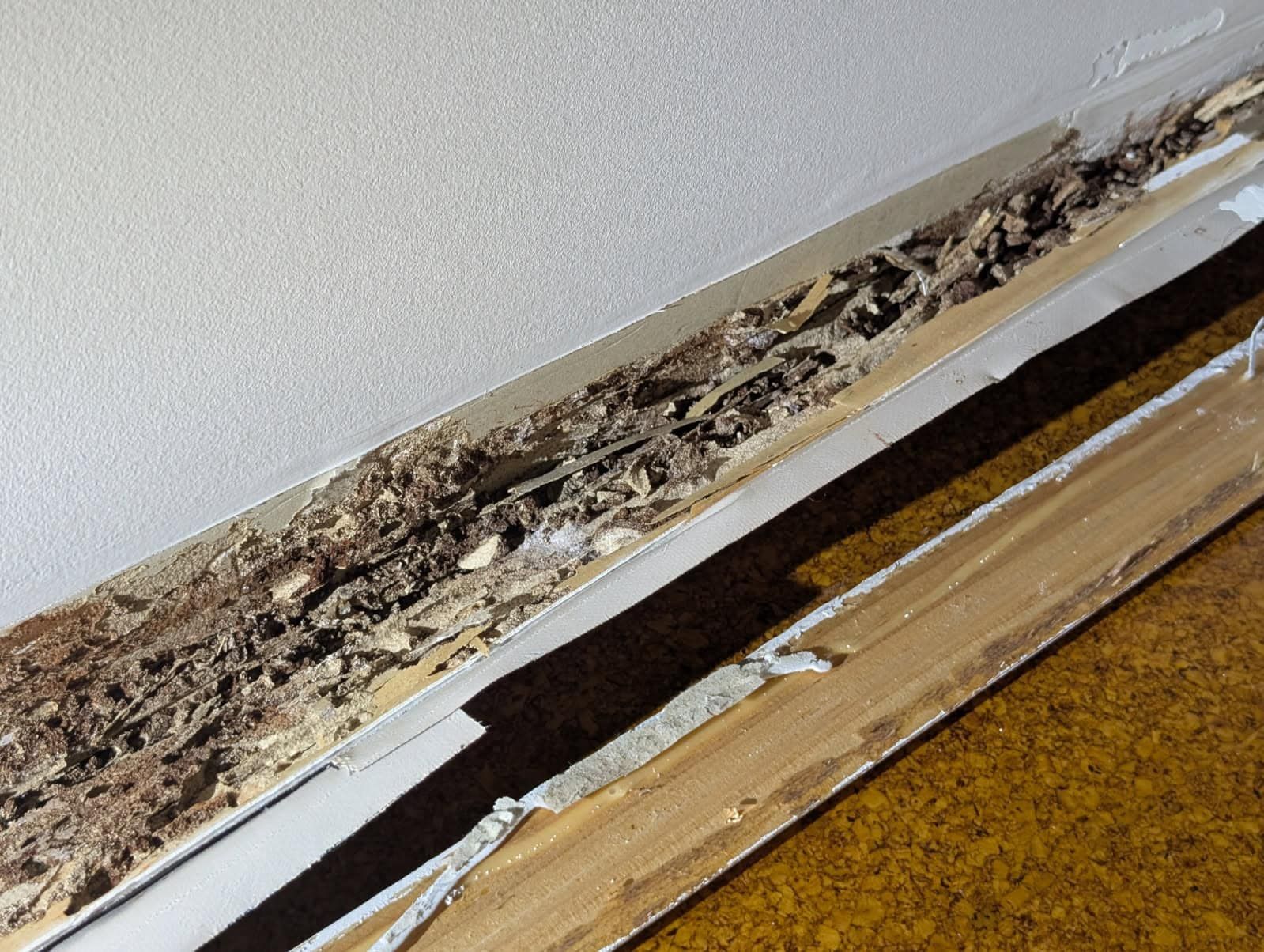
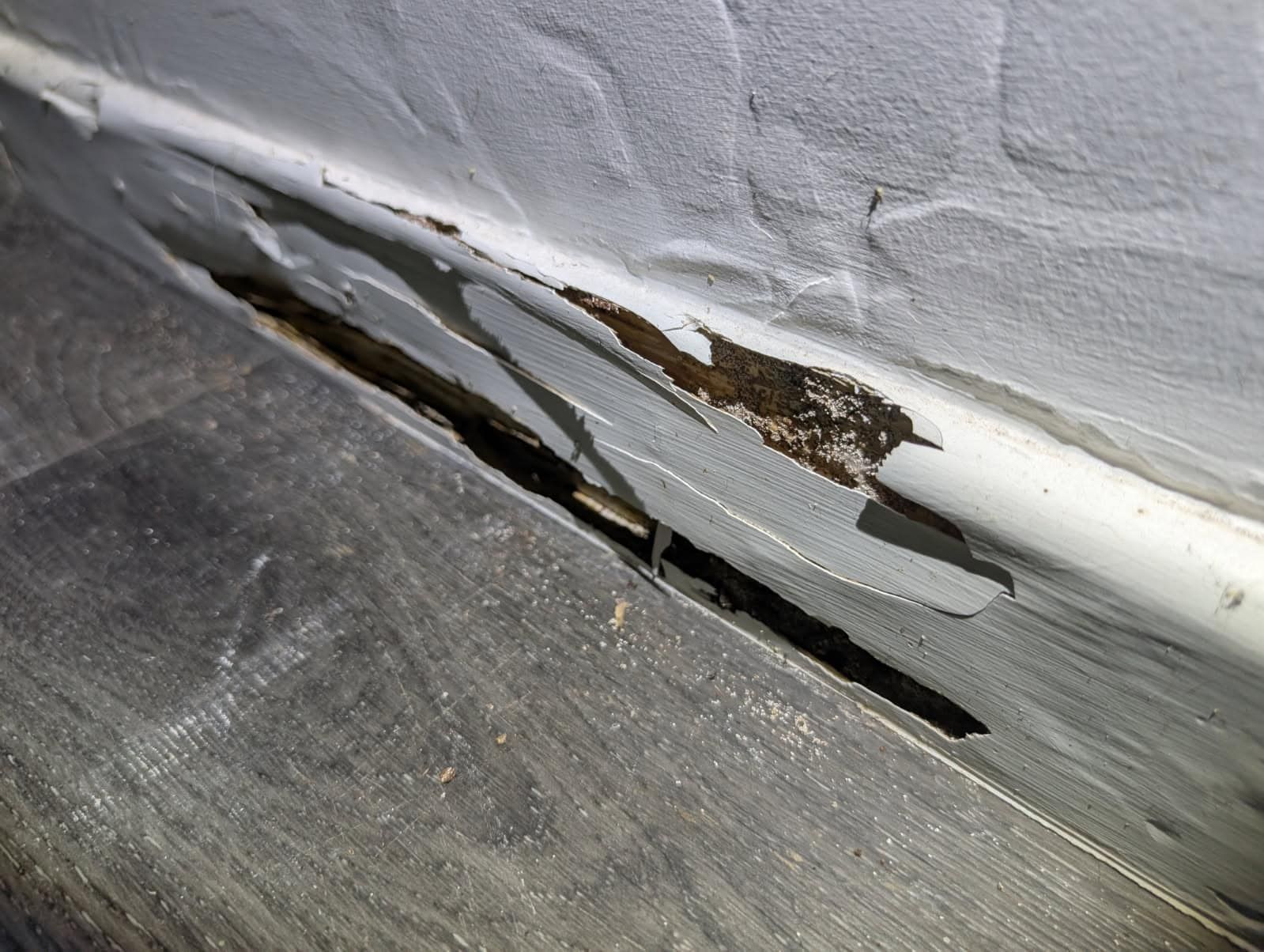
Termites eat through wood from the inside out, leaving a thin surface layer intact. When you tap on skirting boards, door frames or window sills, damaged timber may sound hollow or papery.
This occurs because the insects carve internal cavities as they feed, weakening structural strength while leaving the outer surface largely untouched.
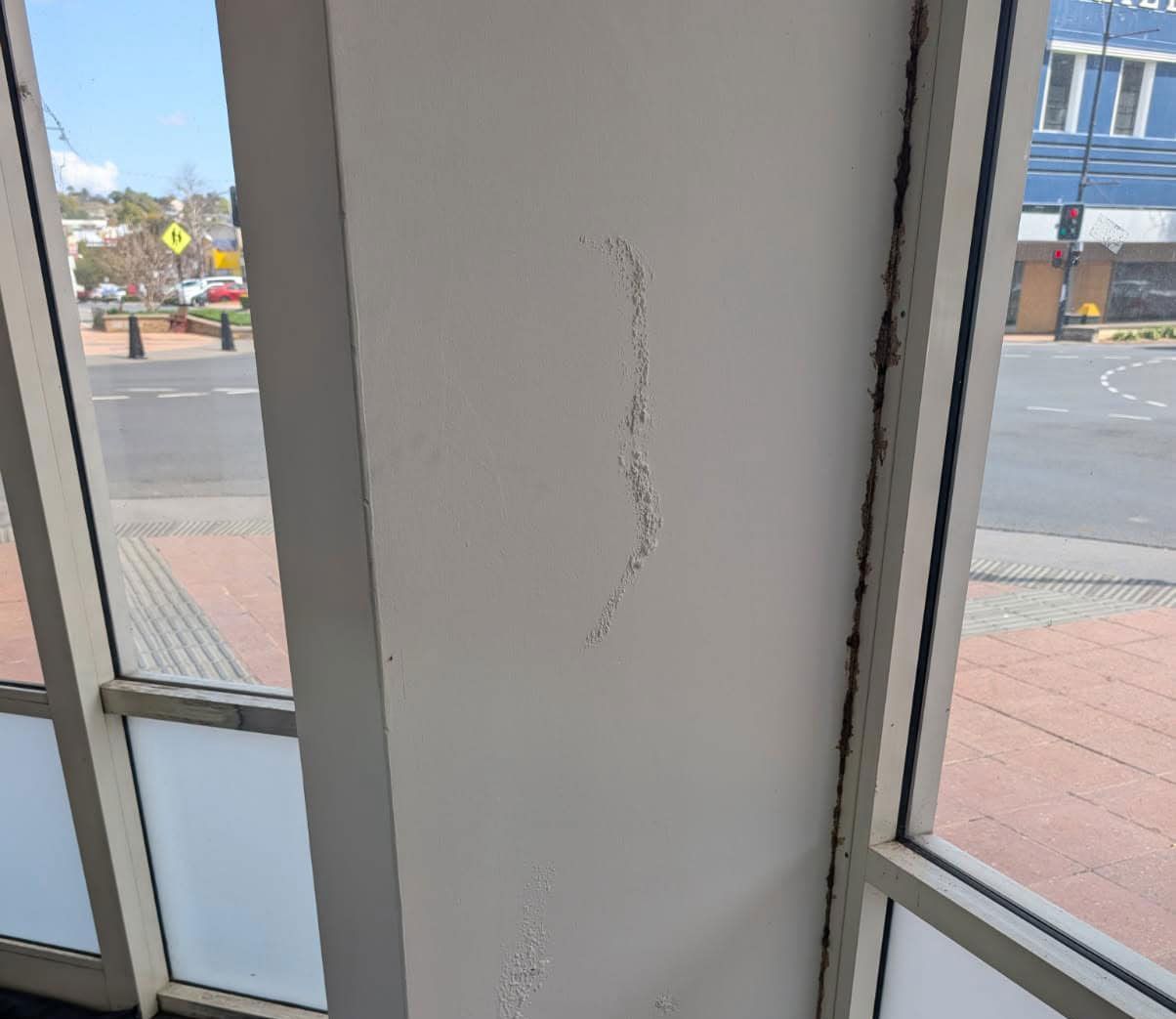
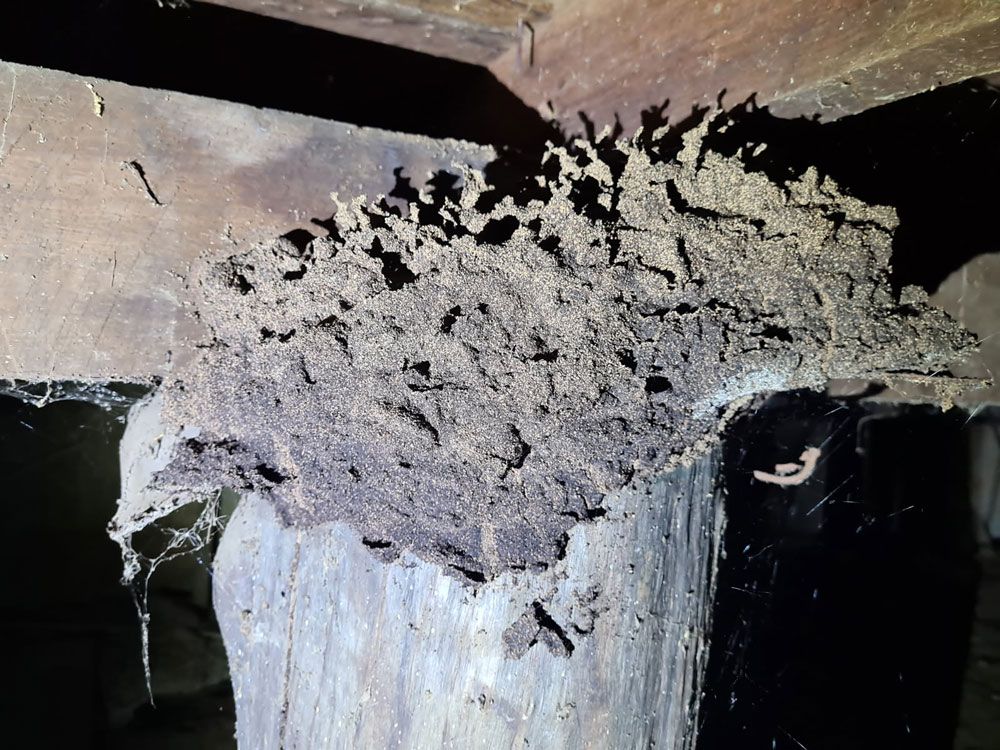
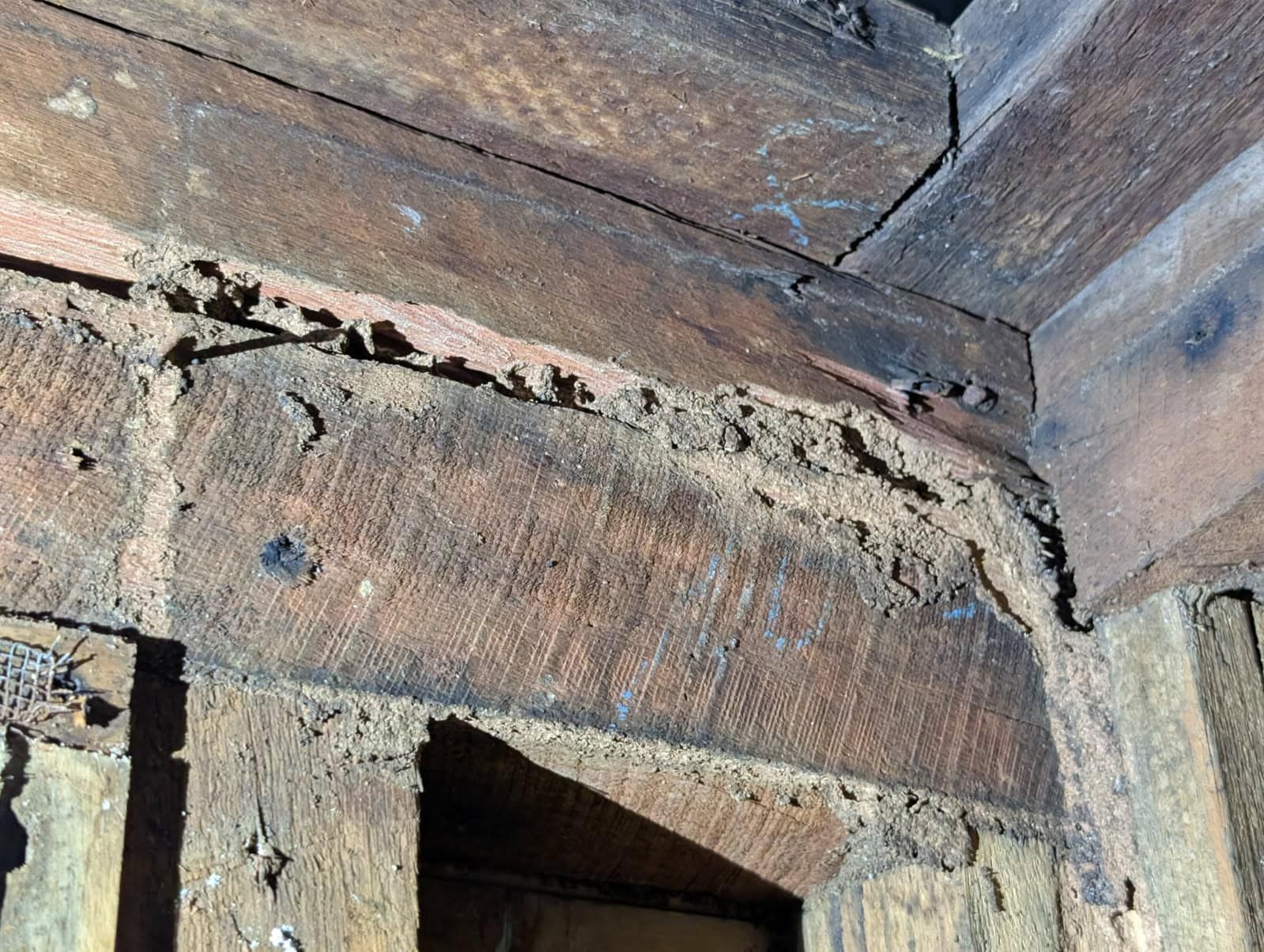
Mud Tubes on Walls or Foundations
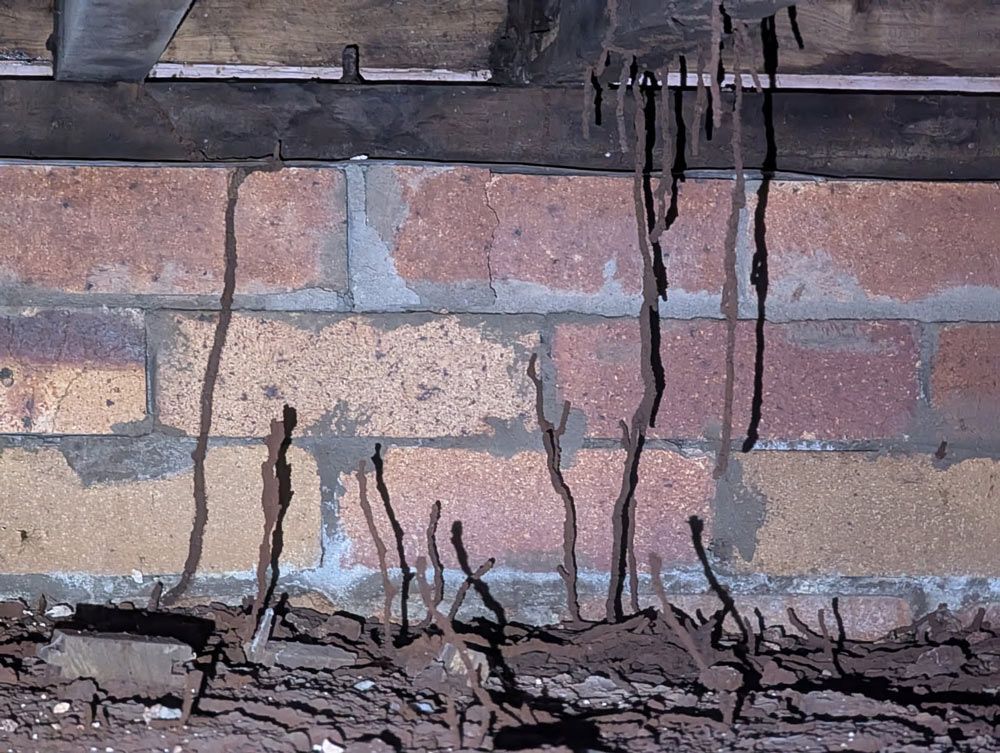
Subterranean termites construct mud tunnels to travel between soil and timber food sources. These narrow tubes often appear along:
- Brickwork
- Concrete slabs
- Subfloor piers
- Internal wall cavities
The tubes protect termites from light and dehydration while they move between the colony and feeding areas.
Warped Doors or Windows
As termites consume internal timber structures, moisture levels inside the wood can change. This sometimes causes doors or window frames to become tight, warped or difficult to close.
Many homeowners assume humidity or age causes the issue, but hidden termite damage often plays a role.
Discarded Wings Near Windows or Lights
During warmer months, mature termite colonies release winged swarmers known as alates. These flying termites leave the nest to establish new colonies.
After landing, they shed their wings. Finding small piles of translucent wings near windowsills, doorways or light fittings may indicate a nearby colony.
Bubbling or Peeling Paint
Termite activity beneath painted surfaces can create small bubbles or ripples in paintwork. This can resemble water damage but often occurs without visible leaks. Paint distortion on timber surfaces also deserves closer inspection.
How to Tell the Difference Between Termite Damage and Water Damage
Because termites often remain hidden, homeowners sometimes mistake their activity for moisture problems or other pest damage. Understanding the differences helps prevent delays in identifying a serious issue.
Termite Damage Characteristics
Termite feeding patterns usually leave distinctive internal tunnels inside timber. These galleries run along the grain and often contain soil or mud residue. Typical termite damage may show:
- Hollow timber that breaks easily
- Thin outer surfaces covering internal cavities
- Mud residue or dirt within damaged wood
- Straight, layered feeding patterns along the grain
Termites prefer soft springwood sections within timber, which produces a distinctive honeycomb appearance once the outer surface breaks open.
Water Damage Indicators
Water damage affects timber differently. Instead of internal galleries, moisture causes timber to swell, rot or discolour. Some common signs of water damage include:
- Dark staining or mould growth
- Soft timber that crumbles rather than hollowing out
- Visible moisture or damp areas
- Warping across wider sections of wood
While both problems weaken timber, water damage rarely produces the distinctive internal tunnelling created by termites.
Other Pest Damage
Borers and carpenter ants can also damage wood, but their patterns differ.
Wood borers leave small round exit holes and fine powder residue known as frass. Carpenter ants create smoother tunnels without the mud residue termites leave behind.
A trained inspector can quickly identify which pest has caused the damage.
The Hidden Cost of Ignoring Early Termite Activity
Termites cause billions of dollars in property damage across Australia every year. The reason damage becomes so severe often comes down to one factor: time.
Because colonies operate quietly behind walls, termites may feed continuously without homeowners noticing. A mature colony can contain hundreds of thousands of insects, each consuming small amounts of wood every day.
Over months or years, this steady feeding can compromise structural components such as:
- Floor joists
- Wall framing
- Roof timbers
- Deck supports
- Internal beams
Once damage reaches these areas, repairs can involve major reconstruction rather than simple replacement.
Real estate professionals often see the consequences during building inspections. Homes that appear structurally sound from the outside may hide extensive termite activity within walls or roof spaces.
Insurance policies typically exclude termite damage, leaving homeowners responsible for the full repair cost.
Why Regular Inspections Matter
Because termites rarely reveal themselves early, professional inspections remain one of the most effective ways to detect activity.
Qualified inspectors look for subtle indicators homeowners might miss, including:
- Moisture readings inside walls
- Thermal imaging that reveals hidden movement
- Subfloor conditions attracting termites
- Entry points around plumbing or foundations
- Early signs of timber deterioration
Routine inspections also identify environmental factors around the property that encourage termite activity. Addressing these risks helps reduce the chance of future infestations.
Many property owners schedule annual inspections as part of their ongoing maintenance routine. This approach allows specialists to detect problems before structural damage spreads.
Practical Ways Homeowners Can Reduce Termite Risk
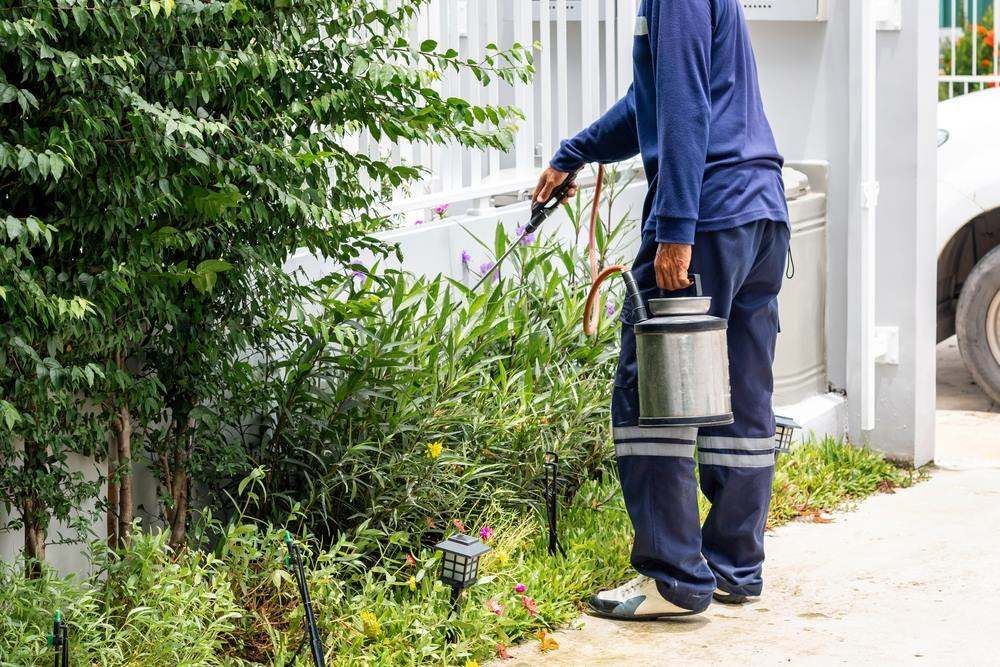
While professional termite control in Toowoomba remains the strongest defence, homeowners can take steps to make properties less attractive to termites.
Simple maintenance habits often make a significant difference. Some ways to minimise termite activity around the home are:
- Keep garden beds and mulch away from exterior walls
- Remove old tree stumps or timber debris
- Repair leaking taps, pipes and gutters
- Maintain good drainage around foundations
And to restrict the growth of colonies within the property line, you should:
- Store firewood away from the house
- Keep subfloor areas ventilated
- Inspect timber structures periodically
- Monitor any areas that have previously experienced moisture
These steps help reduce conditions termites prefer, though they cannot replace professional inspection or treatment.
Protecting Your Property from Termite Damage
Termites rarely announce their presence. They operate quietly inside walls, under floors and beneath foundations where damage spreads gradually. By the time obvious signs appear, colonies may already occupy multiple sections of the structure.
Understanding early warning signs gives property owners a valuable advantage. From hollow timber to mud tunnels or warped doors, subtle clues often appear long before major damage occurs.
If you suspect termite activity or simply want peace of mind, speaking with an experienced professional can help you assess the situation quickly. For homeowners seeking expert termite control in Toowoomba, the team at Keiran Mortimer Pest Control serves Toowoomba and the surrounding Darling Downs with inspections, treatments and termite protection.
If you've noticed any warning signs around your property, now is the time to act.
Contact us today to organise a thorough inspection and protect your home before hidden termite damage spreads further.