What Does A Building And Pest Inspection Report Really Tell You In Toowoomba?
Buying a property is one of those moments where everything feels certain right up until the paperwork lands in your inbox. A building and pest inspection report often arrives as a dense, technical document filled with unfamiliar terms, colour-coded ratings and pages of observations. For many buyers, the challenge isn’t getting the report — it’s understanding what it actually means for the property and the decision ahead.
A thorough report does far more than tick boxes. It provides a snapshot of the property’s condition, highlights risks that may not be visible during an open home and gives you a clearer sense of what you’re really buying into. When interpreted properly, it becomes a practical tool for negotiation, planning and risk management.
Below, we break down the key sections of a typical report and explain how a professional pest controller contributes to each stage of the process.
Understanding the Overall Property Condition Summary
Most reports begin with a high-level summary designed to give you an at-a-glance understanding of the property’s condition. This section typically categorises issues as major defects, minor defects or general maintenance items.
While it might seem straightforward, this summary often requires context. A “minor defect” in isolation may be harmless, but several minor issues grouped together can point to a larger underlying concern.
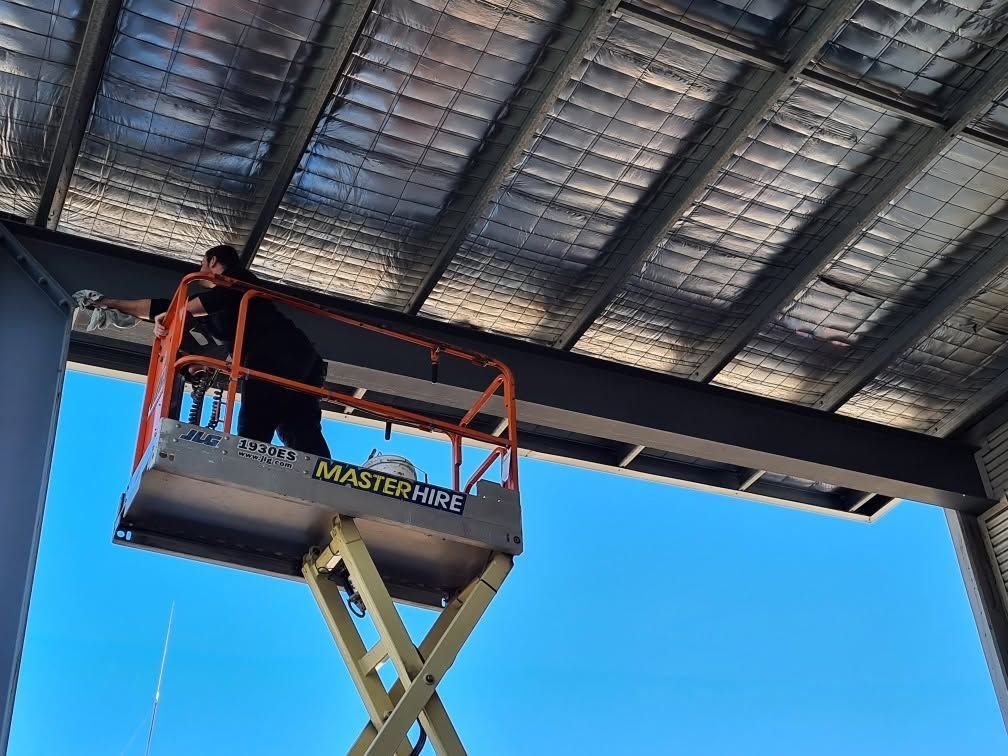
A building and pest inspection Toowoomba service will usually include:
- A clear classification of defects based on severity
- Notes on safety risks or urgent concerns
- A general condition rating of the structure
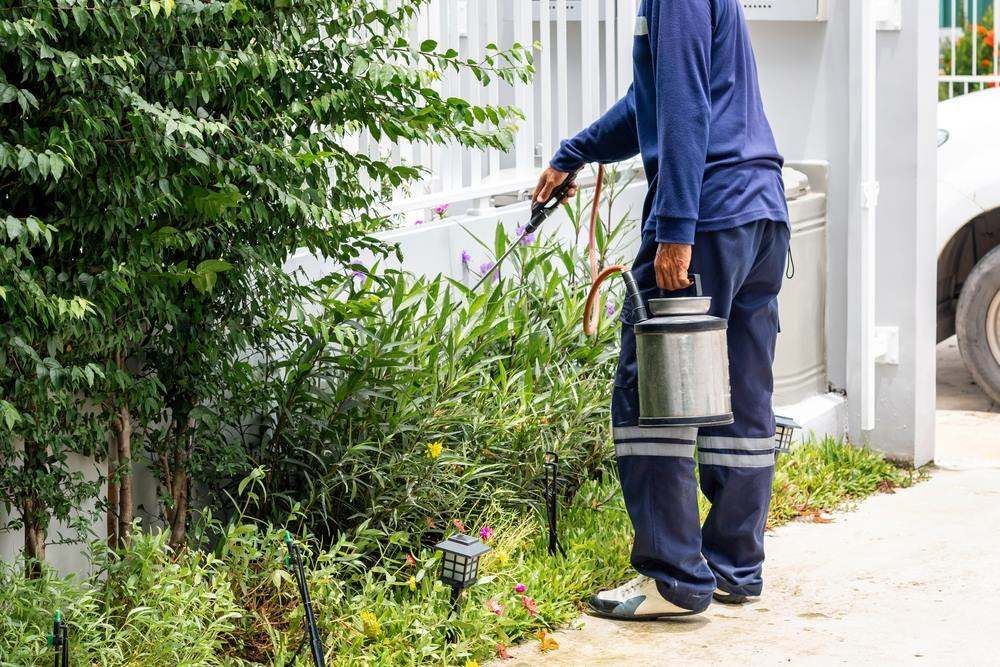
From a pest control perspective, this summary may also flag early signs of timber pest activity or environmental conditions that could attract termites. Even if no active infestation is found, these early indicators are worth noting.
Structural Defects: What Counts as a Major Issue?
Structural integrity is one of the most critical aspects of any inspection report. This section focuses on the building’s framework — foundations, walls, roofing and load-bearing components.
Major defects are typically defined as issues that affect the structural stability or safety of the property. These may require immediate attention or significant financial investment.
Common findings include:
- Cracking in walls that suggests movement or foundation shifting
- Uneven flooring or sagging structural elements
- Roof frame damage or deterioration
- Evidence of long-term moisture impact on structural timber
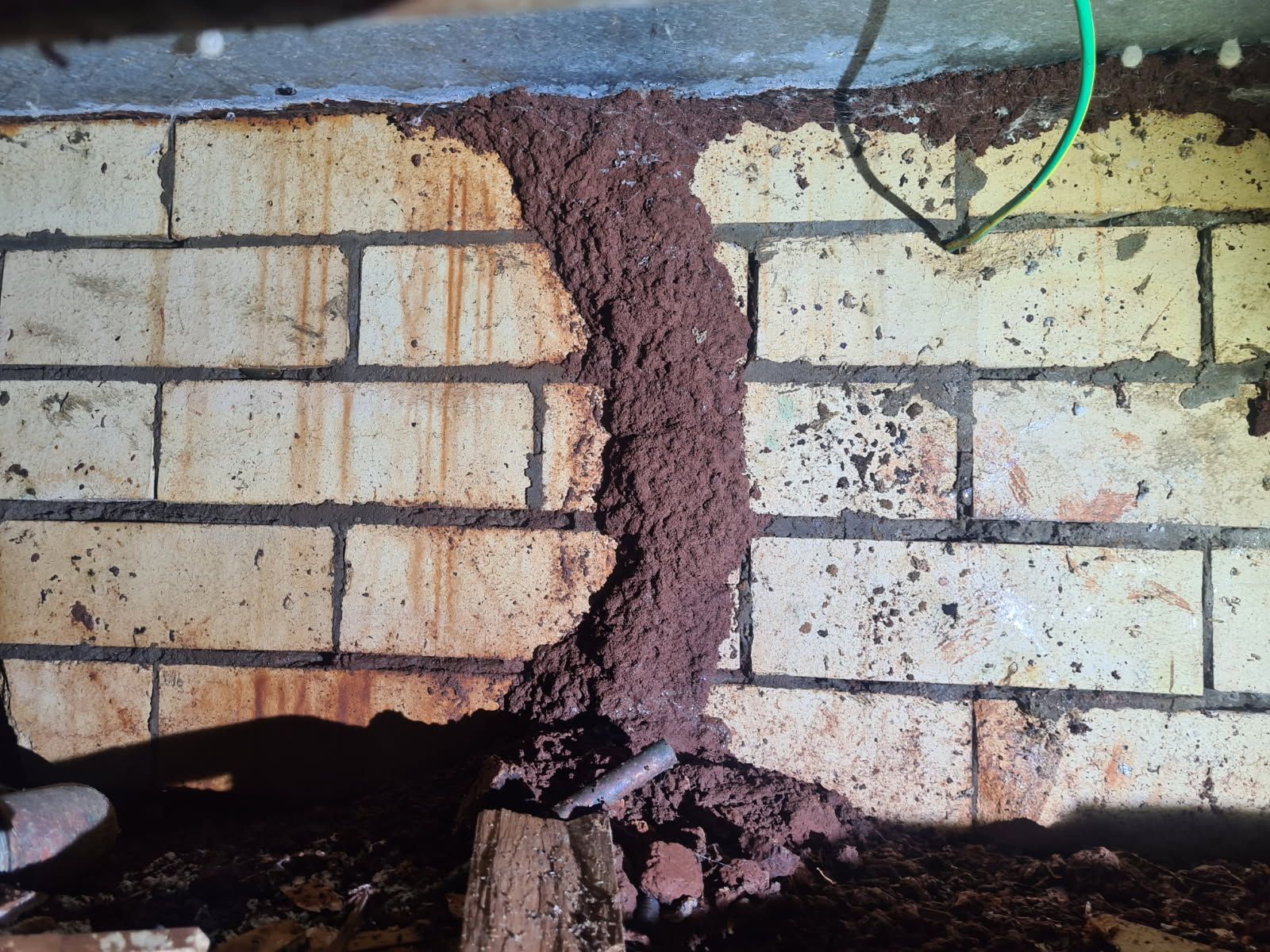
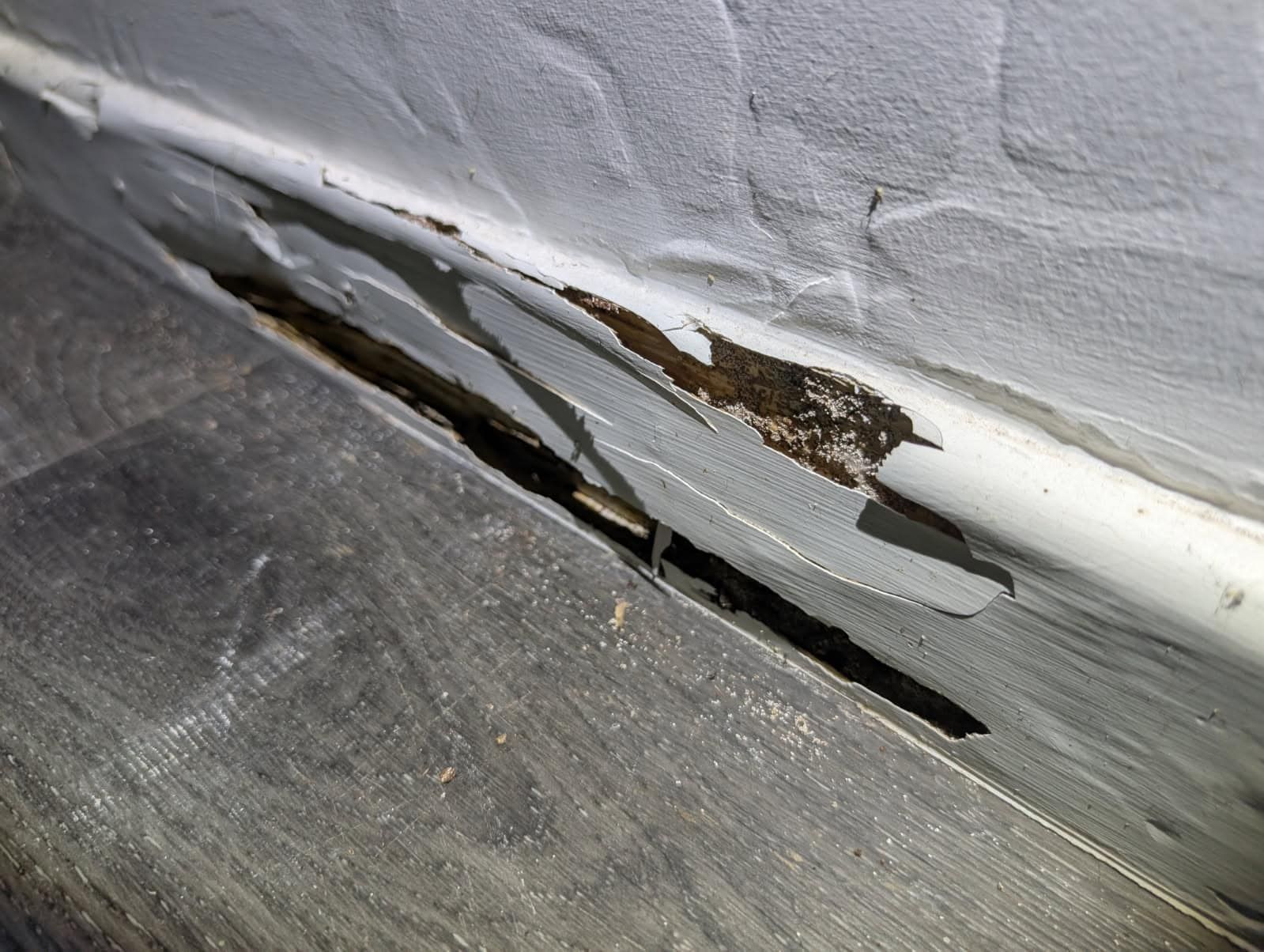
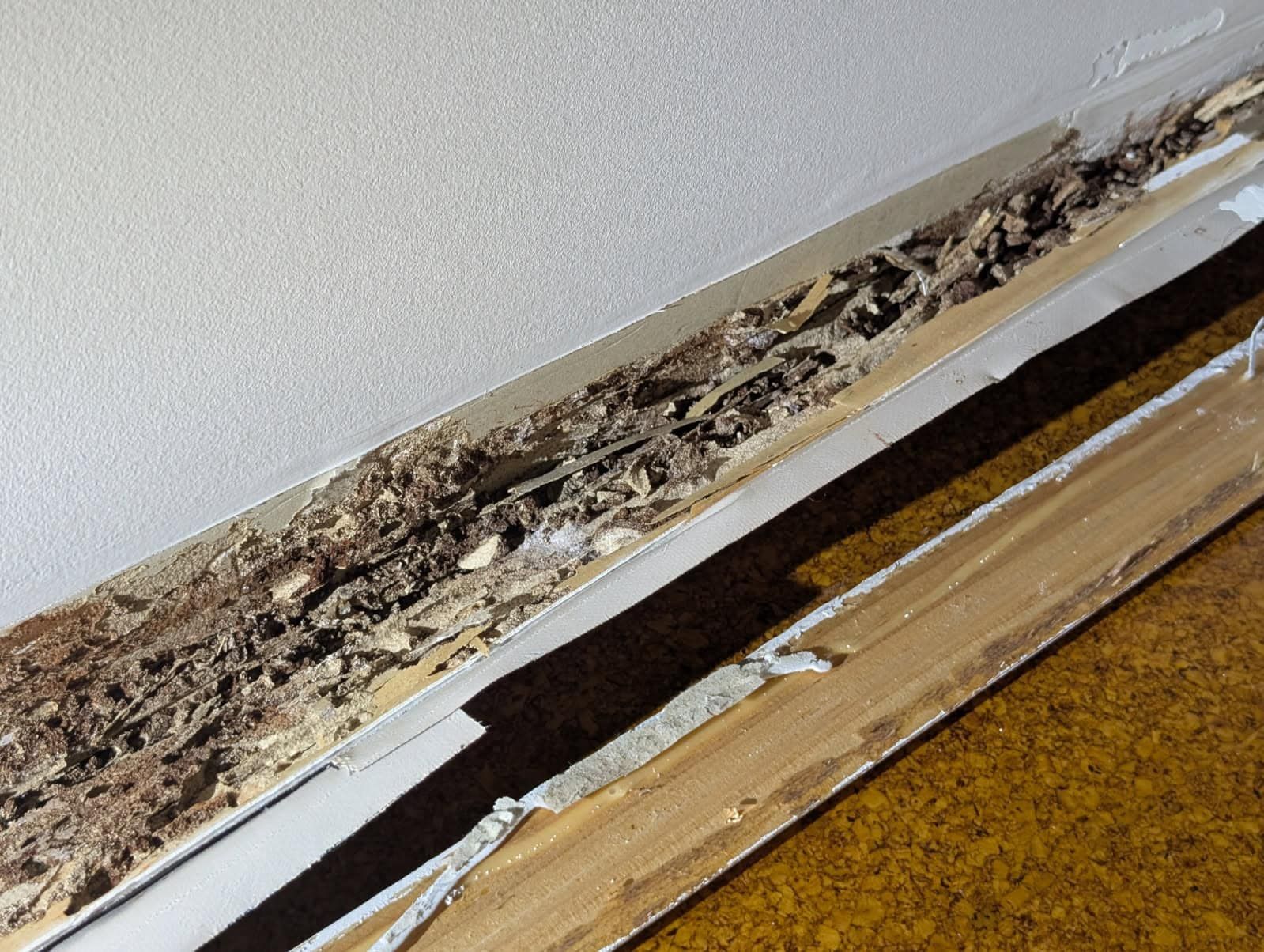
A pest inspection in Toowoomba is particularly relevant here, as termite damage can compromise structural timber without obvious external signs. Pest controllers use specialised tools and experience to detect hidden damage that may not be visible during a general building inspection.
Moisture Readings and Why They Matter
Moisture detection is a critical but often overlooked part of the inspection process. Elevated moisture levels can indicate leaks, poor drainage or conditions that support timber decay and pest activity.
Inspectors typically use moisture metres to scan walls, floors and ceilings, identifying areas where water intrusion may be present.
Key points to understand include:
- High moisture readings don’t always mean visible damage — but they signal risk
- Persistent moisture can weaken materials over time
- Damp environments are highly attractive to termites and other pests
A professional inspection will connect these findings with pest risks. Moisture issues often go hand-in-hand with termite activity, making this section especially important in a pre-purchase building and pest inspection in Toowoomba.
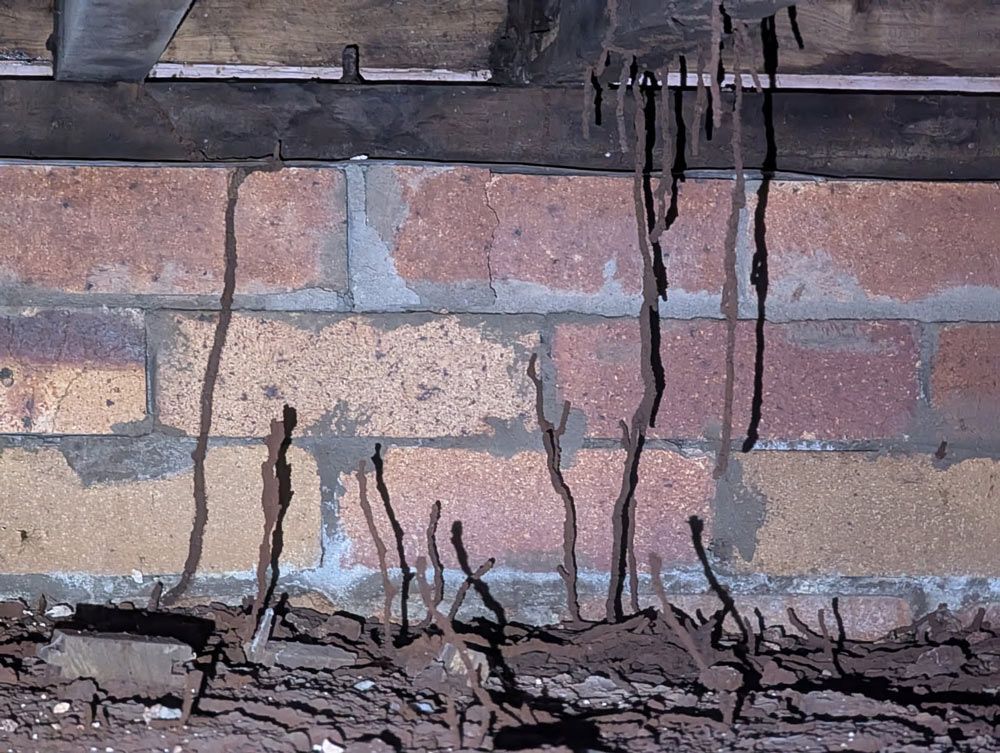
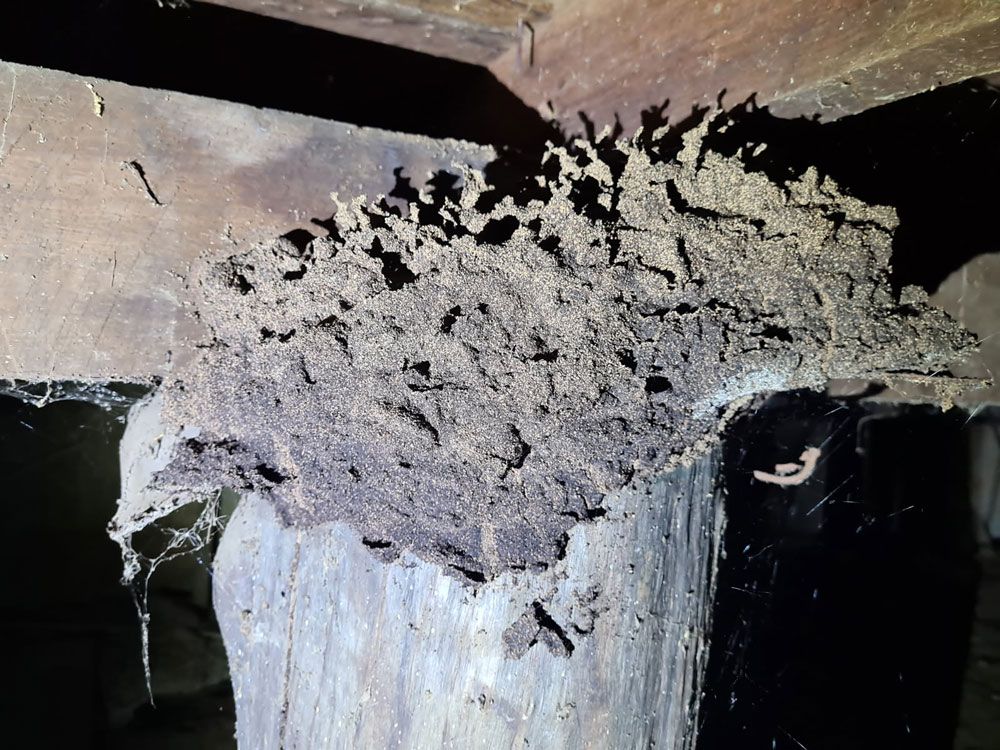
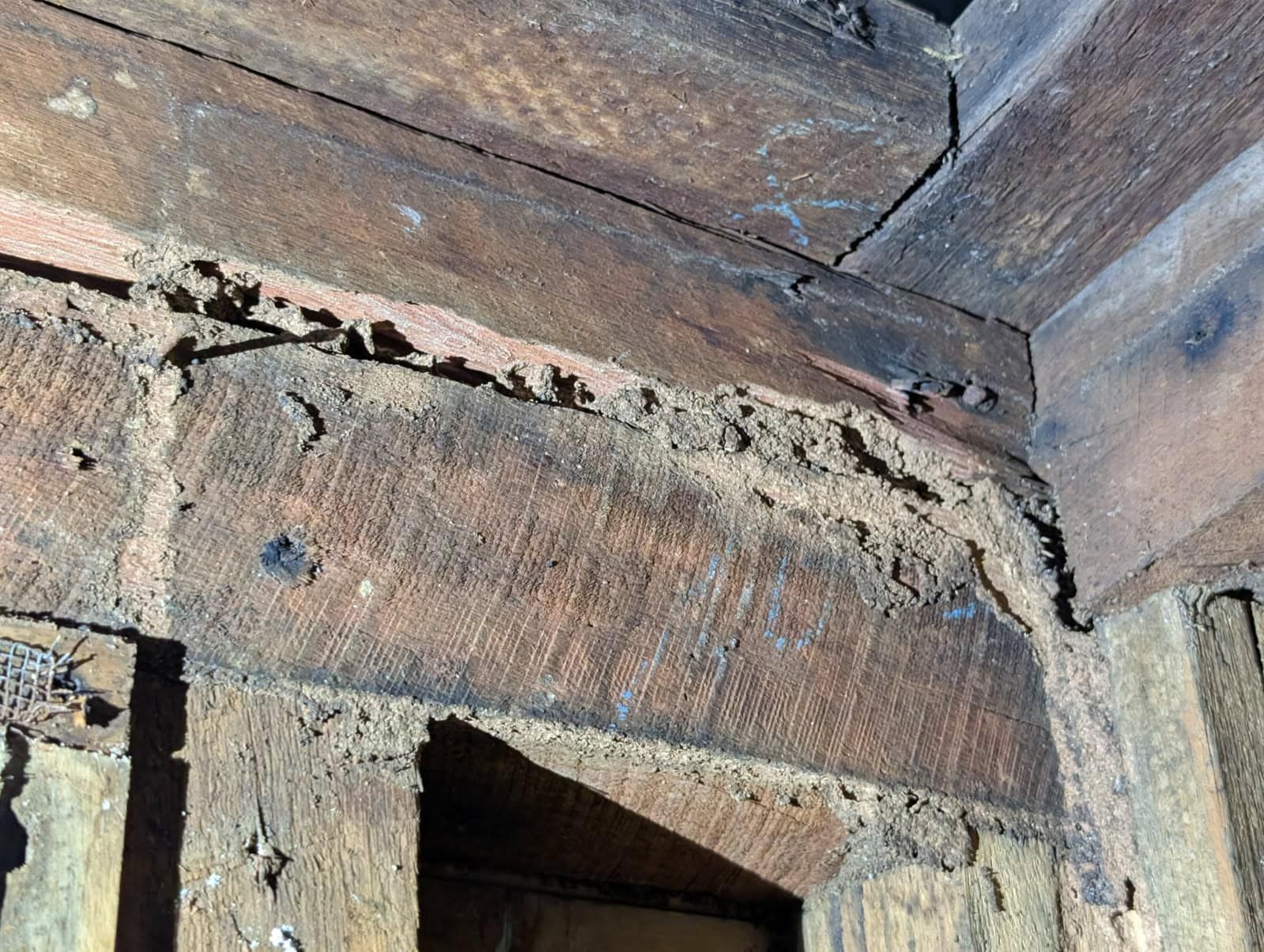
Termite Evidence: Active vs Historical Activity
One of the most important sections in any report is the assessment of termite activity. This goes beyond simply stating whether termites are present.
Inspectors differentiate between:
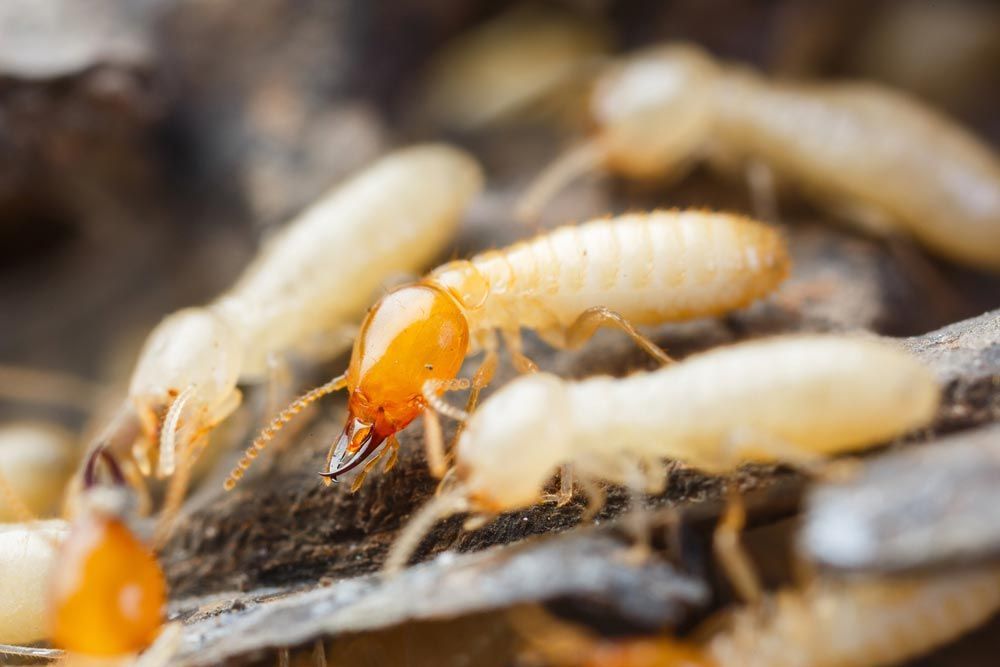
- Active infestations (live termites currently present)
- Previous activity (evidence of past infestation, now inactive)
- Conditions conducive to termite attack
Understanding the difference is essential. A property with no active termites may still carry risk if there is evidence of previous damage or untreated conditions.
A detailed pest inspection in Toowoomba will include:
- Identification of termite species where possible
- Assessment of damage extent
- Recommendations for treatment or monitoring systems
Even a “clear” report can include notes about risk factors such as timber-to-ground contact or poor ventilation, which should not be ignored.
Timber Damage & Decay: Beyond Termites
Not all timber damage is caused by termites. Fungal decay, wood rot and borers can also impact timber structures, sometimes in similar ways.
This section of the report distinguishes between different causes of damage and evaluates their severity.
Typical findings may include:
- Soft or crumbling timber due to decay
- Discolouration indicating long-term moisture exposure
- Borer holes or insect-related damage
A building and pest inspection Toowoomba service will assess whether the damage is active, progressive or historical. This helps buyers understand whether repairs are urgent or simply part of ongoing maintenance.
Compliance & Safety Flags
Inspection reports often include notes on compliance with current building standards and general safety considerations. While not all properties are expected to meet modern codes, certain issues may still pose risks.
This section may highlight:
- Non-compliant structures or modifications
- Safety hazards such as unstable decking or inadequate handrails
- Electrical or plumbing concerns observed during the inspection
While pest controllers are not responsible for compliance checks, their findings can intersect with safety concerns — particularly where pest damage has weakened structural elements.
Minor Defects & Maintenance Items
Not every issue in a report is a deal-breaker. Minor defects and maintenance items are a normal part of property ownership, especially in older homes.
These typically include:
- Cosmetic wear & tear
- Small cracks or surface imperfections
- General ageing of materials
The key is understanding the difference between routine maintenance and early warning signs of larger problems.
A pest inspection Toowoomba report may include recommendations such as:
- Removing timber debris from around the property
- Improving ventilation in subfloor areas
- Scheduling regular pest inspections
These preventative measures can significantly reduce future risk.
How to Prioritise Findings and Make Decisions
Once you’ve reviewed the report, the next step is deciding what to do with the information. Not all defects carry equal weight, and understanding priorities is essential for making informed decisions.
A practical approach includes:
- Focusing first on major structural defects & safety concerns
- Assessing the cost and urgency of repairs
- Considering pest-related risks as ongoing management issues
It’s also important to recognise that a “pass” doesn’t mean a property is problem-free. It simply means no major defects were identified at the time of inspection. Hidden issues or future risks may still exist.
In many cases, buyers use the report to negotiate:
- Requesting repairs before settlement
- Adjusting the purchase price
- Factoring future maintenance into their budget
A pre-purchase building and pest inspection in Toowoomba is ultimately about reducing uncertainty, not eliminating it entirely.
Get Clear Answers Before You Commit
If you’re navigating a property purchase and need clarity around your inspection report, we at Keiran Mortimer Pest Control are here to help. We provide detailed, easy-to-understand building and pest inspection services in Toowoomba that go beyond surface-level observations, helping you make confident decisions about your investment.
Whether you’re booking a pest inspection in Toowoomba or need a pre-purchase building and pest inspection, get in touch with our team today to arrange an inspection or discuss your report.